
Dongfeng
The automotive landscape is rapidly evolving, with a significant shift towards sustainability. As we approach 2026, the popularity of Little Electric Cars is increasing. These compact vehicles offer an environmentally friendly alternative for urban mobility. They cater to the needs of city dwellers who seek efficiency without sacrificing style or practicality.
Many car manufacturers are investing heavily in electric technology, leading to exciting new models. The market is becoming saturated with options, making it challenging for consumers to choose the best fit. Factors like range, charging time, and design play crucial roles in decision-making.
While Little Electric Cars promise many benefits, some potential buyers may hesitate. Price fluctuations and limited availability might cause concerns. It's important for shoppers to weigh these aspects carefully. As we delve into the top choices for 2026, we must remain mindful of the evolving needs of global drivers. Understanding these nuances helps ensure a more informed decision when selecting the perfect Little Electric Car.
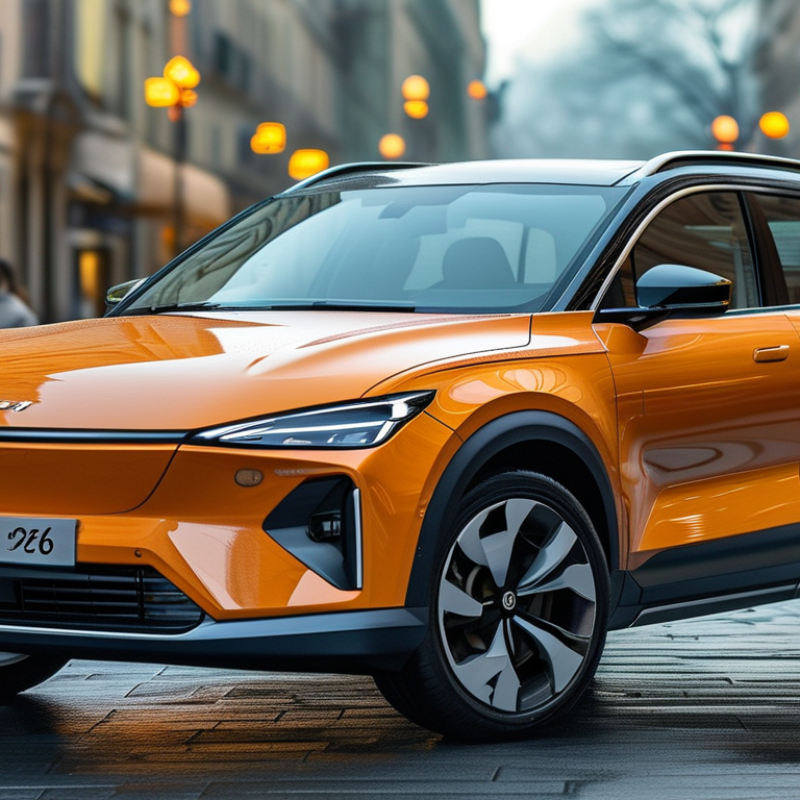
In 2026, global shoppers seeking electric vehicles will find a range of promising options. Advanced technology integrates seamlessly into these cars, making them more efficient and user-friendly. Many vehicles will offer impressive driving ranges, capable of meeting the needs of daily commutes and long trips alike. Buyers should consider charging infrastructure in their area, as it can affect their overall experience.
Materials play a crucial role in the manufacturing of these cars. Sustainable choices are becoming a priority, reflecting a commitment to environmental responsibility. From recycled materials to energy-efficient designs, these details matter. It's important to reflect on how these choices influence not just performance but also long-term reliability. While many cars focus on battery life, buyers must assess the maintenance and durability of other components.
Affordability is also vital. Some models may be out of reach for average consumers. It's beneficial to examine total cost of ownership, not just the purchase price. Understanding the dynamics of value can lead to a more informed decision. As consumers, we must continue to question the advancements and the promise they bring. Balancing innovation with practicality will define the electric car landscape in 2026.
When shopping for small electric cars in 2026, key features stand out. Battery range is critical. A range of at least 200 miles is ideal for daily commutes and long trips. Fast charging capabilities are also essential. Quick charge times can make a big difference in usability. Consider how often you'll need to recharge and where the charging stations are located.
Safety features have become a priority in modern electric cars. Look for advanced driver-assistance systems. These include automatic emergency braking and lane-keeping assistance. Additionally, consider the size and weight of the car. Smaller vehicles often have a lighter frame, which can enhance efficiency. However, safety ratings should not be overlooked. A balance between size, weight, and safety is crucial.
Interior space and technology add to the overall appeal. Ergonomic design makes driving comfortable. Infotainment systems that integrate with smartphones are becoming standard. Evaluate how user-friendly these systems are. A cluttered interface can be frustrating. Also, think about the material quality. Budget models may sacrifice comfort for cost. A careful consideration of these aspects ensures a satisfying purchase.
As the electric vehicle market expands, small electric cars are gaining popularity among global shoppers. Data from recent industry reports indicate that small electric cars are expected to make up 30% of the global EV market by 2026. This growth is driven by increasing urbanization and consumer demand for sustainable transportation.
Leading manufacturers are focusing on enhancing efficiency and battery life in their small electric models. The average range for these cars is projected to exceed 250 miles per charge in 2026, addressing one of the primary concerns for potential buyers. Cost remains another concern. As battery prices decrease, the cost of small electric vehicles is expected to drop by 15% by 2026.
However, challenges remain. Not all small electric cars offer the same level of comfort or technology features. For some buyers, the interior quality may not match their expectations. Additionally, charging infrastructure is still developing in many regions, creating anxiety for potential customers. As the market continues to evolve, balancing affordability and functionality will be key for manufacturers to attract buyers.
The sustainability of electric cars is a pressing issue for many global shoppers. These vehicles promise lower emissions and reduced fossil fuel dependence. However, the environmental impact of production is significant. Manufacturing batteries requires substantial raw materials. Mining these resources can result in habitat destruction and pollution. Sustainable sourcing is essential for minimizing these effects.
Electric cars do offer benefits over traditional vehicles. They can reduce urban air pollution, creating healthier communities. The lifecycle emissions of electric vehicles are often lower, especially when charged with renewable energy. However, we must consider battery disposal and recycling, which are still evolving. Addressing these challenges can enhance their sustainability.
Many consumers are eager to support eco-friendly choices. Yet, it is crucial to remain aware of the ongoing environmental trade-offs. The transition to electric mobility is not a cure-all. Each decision involves weighing benefits against potential harms. As more shoppers adopt electric vehicles, continuous improvement and transparent practices will be vital.
| Model | Range (miles) | Charging Time (hrs) | CO2 Emissions (g/km) | Battery Capacity (kWh) | Price (USD) |
|---|---|---|---|---|---|
| Compact EV | 200 | 5 | 0 | 50 | 25,000 |
| Mini EV | 150 | 4 | 0 | 40 | 20,000 |
| City EV | 180 | 6 | 0 | 45 | 22,500 |
| Subcompact EV | 220 | 7 | 0 | 55 | 27,000 |
In 2026, electric cars are expected to gain more traction in the global market.
Pricing trends show a downward shift due to increased production and competition.
Financial incentives for electric vehicle (EV) buyers are also increasing, making these cars more accessible.
Governments around the world are pushing green initiatives.
Tax rebates and subsidies for electric vehicle purchases will likely expand.
Tips for navigating financial incentives include researching local and national programs.
Some regions offer significant rebates. Others might provide tax credits that vary from year to year.
Knowing where to look can save money. Staying updated on these financial incentives is crucial as policy changes may occur.
Another notable trend is the growing range of affordable options.
Manufacturers are focusing on small, cost-effective models. These compact cars will likely appeal to urban dwellers.
However, it's essential to consider battery life and
charging infrastructure in your area.
Electric vehicles may not suit everyone’s lifestyle yet.
Reflect on personal needs before making a purchase.
Balancing costs, incentives, and practicality will define the best choices for you.
: Look for driving range, charging infrastructure, and total cost of ownership. These factors impact your experience.
Sustainable materials can improve performance and reliability. They also reflect environmental responsibility.
Many models might be expensive. Assess total costs beyond the purchase price to make an informed choice.
Manufacturing requires raw materials, leading to habitat destruction and pollution. Sustainable sourcing reduces these effects.
They can lower urban pollution but still pose disposal challenges. The overall lifecycle impacts are generally lower.
As electric vehicle adoption grows, proper recycling is crucial for sustainability. It minimizes environmental trade-offs.
No, consider other components' durability and maintenance too. They’re important for long-term reliability.
Environmental trade-offs exist, and adaptation is necessary. Continuous improvement is key to a sustainable future.
In 2026, global shoppers looking for efficient and compact transportation options should consider the latest offerings in little electric cars. These vehicles stand out not only for their size and maneuverability but also for essential features such as extended range, rapid charging capabilities, and advanced safety technologies. As the demand for small electric cars grows, a comparative analysis reveals a diverse range of leading brands that prioritize sustainability without compromising on performance.
Moreover, the environmental impact of little electric cars is significant, contributing to reduced carbon emissions and promoting greener urban mobility. As governments worldwide continue to implement pricing trends and provide financial incentives, buyers in 2026 will find that investing in little electric cars is not only smarter but also more economically viable than ever before.
