As we look forward to 2026, the automotive landscape is rapidly transforming. One notable trend is the rising popularity of Hybrid Automatic Cars. These vehicles blend gasoline engines with electric power, creating a unique driving experience. They promise better fuel efficiency and reduced emissions. However, the market can be confusing for consumers seeking eco-friendly options.
Hybrid Automatic Cars are not just about environmental benefits. They also offer advanced technology and driving comfort. Many new models will feature improved battery life and faster charging capabilities. Yet, some options may fail to deliver on performance or reliability. Consumers must remain cautious and well-informed about their choices. Not every hybrid vehicle on the market meets high standards.
Choosing the right Hybrid Automatic Car requires careful consideration. Factors such as price, efficiency, and user reviews are essential. Some models might look appealing but fall short in real-world situations. Therefore, researching options thoroughly is crucial. With the right information, drivers can make informed decisions that contribute to a greener future.
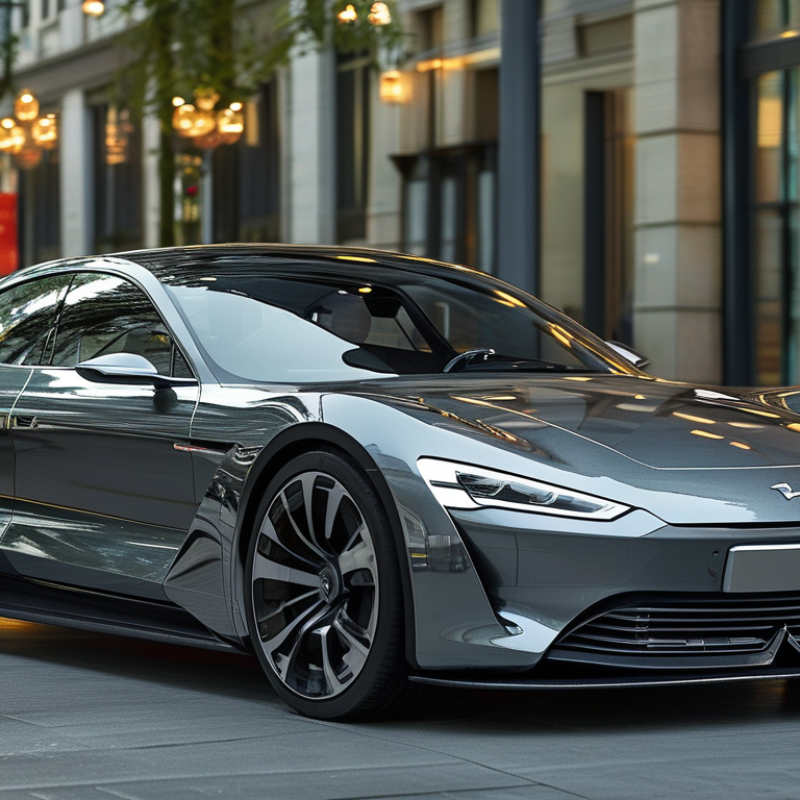
Overview of Hybrid Automatic Cars and Their Environmental Benefits
Hybrid automatic cars are gaining popularity for eco-friendly driving in 2026. These vehicles combine traditional gasoline engines with electric motors, offering a balance between performance and efficiency. They produce fewer emissions compared to conventional cars, making them a safer choice for the environment.
The environmental benefits of hybrid cars are significant. They often achieve better fuel economy, reducing the consumption of fossil fuels. In urban settings, hybrid vehicles excel, as their electric motors kick in during low-speed situations. This not only conserves energy but also leads to quieter rides, contributing to lower noise pollution. However, the production of batteries does raise questions about sustainability.
While hybrid cars show promise, there are imperfections to consider. Battery life varies widely among models, with some losing efficiency over time. Additionally, electric components can be expensive to replace. It is vital to weigh these factors when considering a hybrid vehicle. Researching and understanding these nuances helps drivers make informed decisions for eco-conscious living.
Key Features to Consider When Choosing a Hybrid Automatic Car
When choosing a hybrid automatic car, several key features demand attention. Fuel efficiency is paramount. Look for models with advanced hybrid technology that optimizes energy use. Evaluate the battery capacity as well. A larger battery may offer better all-electric range, enhancing eco-friendly driving.
Comfort and safety features are also important. Spacious interiors can improve the driving experience. Consider the latest safety technologies, like adaptive cruise control and lane-keeping assistance. These enhance both convenience and security during your travels.
Don't overlook the importance of warranty and servicing options. Regular maintenance can be crucial for hybrid vehicles, which may require specialized care. Users should reflect on their driving patterns and needs. Sometimes, a smaller car may be more suitable than a larger model. Take your time to explore different options to find the best fit for you.
Best Hybrid Automatic Cars for Eco-Friendly Driving in 2026
| Model |
Fuel Efficiency (mpg) |
Electric Range (miles) |
Horsepower |
Key Features |
| Model A |
58 |
40 |
200 |
Regenerative braking, Adaptive cruise control |
| Model B |
55 |
35 |
190 |
Smart energy management, Lane-keeping assist |
| Model C |
60 |
45 |
210 |
Solar panel roof, Blind-spot monitoring |
| Model D |
57 |
50 |
195 |
Automatic parking, 360-degree camera |
Top Hybrid Automatic Cars for Eco-Friendly Driving in 2026
As we look toward 2026, the automotive landscape is rapidly evolving, particularly in the hybrid automatic segment. These vehicles offer a compelling blend of efficiency and performance that appeals to eco-conscious drivers. The demand for greener transportation options is influencing manufacturers to innovate more than ever. Increasingly, hybrid models are equipped with technology that maximizes fuel economy while minimizing emissions.
Hybrid automatic cars are designed with various eco-friendly features. Regenerative braking systems capture energy that would otherwise be wasted. Many models also incorporate lightweight materials to enhance efficiency. Drivers can expect greater mileage, especially in city driving conditions. However, transitioning to hybrid technology can pose challenges. Some users report a learning curve when adapting to the driving dynamics of hybrids compared to traditional vehicles.
In addition to fuel efficiency, the driving experience is crucial for many. Smooth acceleration and quieter engines are attractive attributes. Yet, there is a growing concern about battery sustainability and the environmental impact of production. Balancing these eco-friendly advantages and potential downsides requires thoughtful consideration. For drivers in 2026, finding the right hybrid automatic car will be more than just about efficiency; it’s about making informed choices.
Best Hybrid Automatic Cars for Eco-Friendly Driving in 2026
This chart illustrates the estimated fuel efficiency (in MPG) and CO2 emissions (in g/km) of different hybrid automatic cars expected to be prominent in 2026. The data reflects advancements in hybrid technology aimed at promoting eco-friendly driving.
Comparing Fuel Efficiency and Emissions of Leading Hybrid Models
As the automotive industry shifts towards sustainability, hybrid automatic cars are gaining traction. These vehicles offer excellent fuel efficiency and lower emissions compared to traditional models. According to the U.S. Department of Energy, hybrid cars can achieve around 50 miles per gallon. This efficiency significantly reduces the carbon footprint, making them a preferred choice for eco-conscious drivers.
Analyzing emissions is crucial. The Environmental Protection Agency (EPA) reports that the best hybrids emit about 40% less CO2 than their gasoline counterparts. However, some models still struggle with overall emissions, particularly during production. It's essential to consider the full lifecycle of these vehicles. While hybrids promise lower emissions, not all models are created equal. Some may exceed emission regulations but still fail to deliver on fuel savings.
Many consumers focus solely on fuel economy, often neglecting emissions data. This oversight can lead to choices that do not align with eco-friendly values. The varying efficiency ratings emphasize the importance of thorough research. Even leading hybrid models have room for improvement, especially in battery technology. Striking a balance between driving performance and environmental impact is ongoing in the industry.
Future Trends in Hybrid Technology and Eco-Friendly Driving Solutions
The future of hybrid technology is promising as we move toward eco-friendly solutions in 2026. Industry reports indicate that global hybrid vehicle sales are expected to increase by over 20% annually. Advances in battery technology are a key driver of this growth. Efficient energy storage can significantly enhance performance and reduce emissions.
Consumers are becoming more environmentally conscious. A survey by a leading automotive research organization found that 75% of buyers prioritize eco-friendliness in their purchasing decisions. Additionally, modern hybrids often offer improved fuel efficiency, with some models achieving over 50 miles per gallon. This statistic highlights the importance of hybrids in reducing carbon footprints.
Tip: When considering a hybrid vehicle, look for models with regenerative braking systems. These systems can further maximize energy efficiency.
Many manufacturers are investing heavily in research. Despite this, challenges remain. The public charging infrastructure is still developing. Access to reliable charging stations can make eco-friendly driving more complicated than anticipated.
Tip: Always plan your route ahead, especially in less developed areas. Mapping out charging stations can ease range anxiety.
The trajectory of hybrid technology suggests a significant evolution in driving solutions. As battery costs decrease, more consumers may adopt these vehicles, pushing the industry toward greener practices.
FAQS
: Prioritize fuel efficiency and advanced hybrid technology. A larger battery can enhance all-electric range.
Comfort and safety are vital. Spacious interiors and features like adaptive cruise control enhance your driving experience.
Regular maintenance is crucial. Hybrid vehicles may need specialized care, so check warranty and servicing options carefully.
Hybrid cars can achieve around 50 miles per gallon, significantly reducing carbon footprints and fuel costs.
No, not all hybrids perform the same. Some may emit more CO2 or struggle with fuel savings.
Focusing solely on fuel economy can misalign choices with eco-friendly values. Emissions data should inform your decision.
Expect more efficient battery technology and increased sales in hybrids, reflecting consumer interest in eco-friendly solutions.
Regenerative braking maximizes energy efficiency, reducing overall energy use and extending your driving range.
Reliable access to charging stations can ease range anxiety, especially in areas with developing infrastructure.
Despite advances, challenges like charging infrastructure development remain, complicating eco-friendly driving.
Conclusion
The article examines the rising popularity and benefits of Hybrid Automatic Cars, highlighting their environmental advantages in reducing emissions and conserving fuel. It emphasizes the importance of key features such as battery life, electric range, and comfort when selecting a suitable hybrid model.
As the market evolves, several standout models for eco-friendly driving in 2026 are explored, providing insights into their fuel efficiency and emissions profiles. The discussion also touches on future trends in hybrid technology, indicating a shift towards more sustainable and efficient driving solutions. Ultimately, the article serves as a comprehensive guide for consumers looking to embrace hybrid vehicles in their quest for more environmentally conscious transportation.
 Dongfeng
