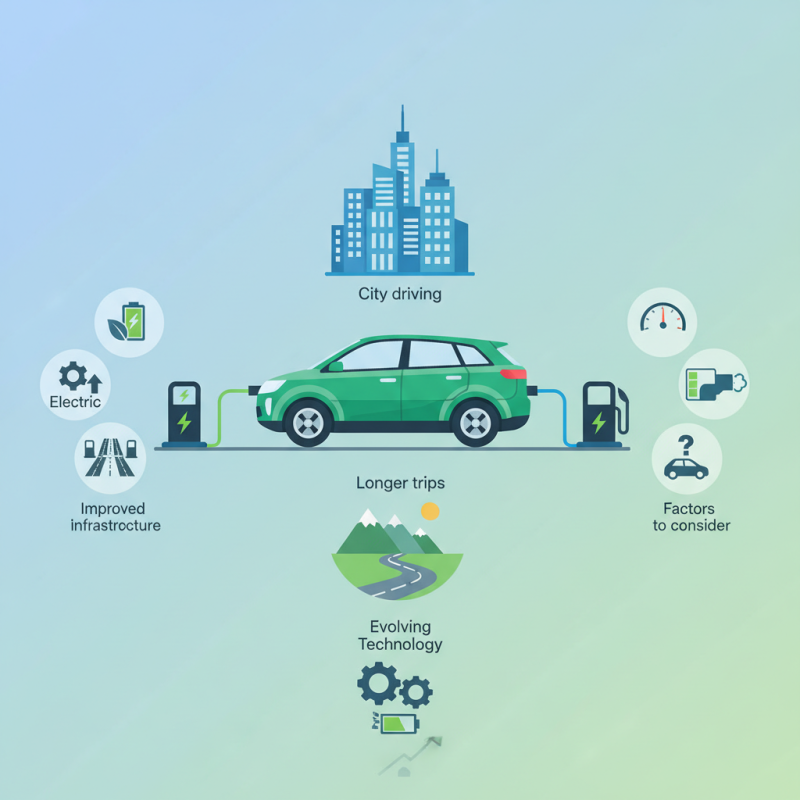
As the automotive industry shifts towards greener solutions, Plug In Hybrid Cars have gained traction in China. These vehicles offer the best of both worlds: electric power for city driving and gasoline engines for longer trips. With government incentives and improved infrastructure, consumers have more choices than ever.
In today's market, various manufacturers offer attractive Plug In Hybrid Cars that cater to different needs. The blend of fuel efficiency and reduced emissions appeals to many drivers. However, potential buyers should consider factors like range, charging convenience, and overall maintenance.
While these cars promise numerous benefits, there are challenges. The technology is still evolving, and some models may face issues with battery lifespan and performance. It's vital for consumers to do thorough research, ensuring they choose a reliable option that suits their lifestyle.
Overview of Plug-In Hybrid Cars in China
Plug-in hybrid cars have gained significant traction in China. These vehicles combine a traditional internal combustion engine with electric power. They offer flexibility for daily commutes while reducing reliance on fossil fuels. Many drivers appreciate this dual capability, especially in urban settings.
In recent years, technological advancements have improved battery life and efficiency. Many models now allow for all-electric driving for significant distances. However, the infrastructure for charging stations still needs expansion. Urban areas are better equipped than rural regions, which creates a disparity in access. This lack of charging facilities can be a concern for potential buyers.
Consumer interest is shifting towards sustainability. Yet, there are challenges in understanding the real-world performance of these cars. Some users report mixed experiences with battery life and performance in cold weather. This feedback highlights the need for ongoing improvements in technology and user education. The journey towards a greener future involves continuous refinement and adaptation.
Best Plug-In Hybrid Cars to Consider in China Today
Key Features to Look for in Plug-In Hybrid Vehicles
When considering plug-in hybrid vehicles (PHEVs), understanding key features is essential. Battery capacity plays a crucial role in the driving range. A larger battery allows for longer electric-only drives, making daily commuting more efficient. According to a recent industry report, the average PHEV offers between 20 to 50 miles of electric range. This range can significantly reduce fuel consumption for urban drivers.
Another important aspect is charging options. Home charging setups vary, but the convenience of a Level 2 charger can provide a full charge overnight. Public charging stations are also expanding across urban areas. According to the China Electric Vehicle Charging Infrastructure Promotion Alliance, over 1.8 million charging points were operational in China as of 2023. This infrastructure facilitates easier access for PHEV users.
Safety features should not be overlooked. Advanced Driver Assistance Systems (ADAS) are becoming common in many models. These systems enhance safety by providing features like lane-keeping assistance and automatic emergency braking. Industry data shows that vehicles equipped with ADAS technology have seen a 30% reduction in collision rates. While PHEVs offer many benefits, buyers should assess their driving habits and charging capabilities to ensure they meet their needs effectively.
Best Plug In Hybrid Cars to Consider in China Today? - Key Features to Look for in Plug-In Hybrid Vehicles
| Model |
Electric Range (km) |
Fuel Efficiency (L/100km) |
Battery Capacity (kWh) |
Price (CNY) |
| Model A |
50 |
1.5 |
15 |
200,000 |
| Model B |
60 |
1.3 |
13 |
250,000 |
| Model C |
45 |
1.6 |
14 |
220,000 |
| Model D |
70 |
1.2 |
16 |
300,000 |
Top Plug-In Hybrid Cars Available in China Today
Plug-in hybrid cars are becoming increasingly popular in China. They offer the benefits of both electric and traditional fuel-powered vehicles. This unique combination attracts many consumers looking for eco-friendly options. In cities with heavy traffic, where charging infrastructure is often limited, these cars present a practical solution. Their ability to switch between electric and gasoline modes enhances versatility.
The market features a variety of plug-in hybrids tailored for different needs. For families, spacious models with safety features stand out. Some models emphasize high fuel efficiency, appealing to eco-conscious buyers. Others provide advanced technology for a better driving experience.
However, some consumers still express concerns about battery life and charging times. These factors can impact the overall ownership experience.
Choosing the right model requires careful consideration. Test driving options can reveal personal preferences that online research cannot. While many models boast impressive features, they may not suit everyone. It's vital to reflect on individual needs and usage.
Consumers should weigh performance against potential limitations. Emphasizing informed choices will lead to better decisions in the long run.
Comparative Analysis of Popular Models and Their Efficiency
The surge in plug-in hybrid vehicles (PHEVs) has reshaped the automotive landscape in China. A comparative analysis of popular models reveals significant variations in efficiency. According to the China Automotive Technology and Research Center, the average fuel consumption for PHEVs is around 1.4 liters per 100 kilometers, offering substantial savings compared to traditional gasoline vehicles. Some models can achieve electric-only ranges exceeding 50 kilometers.
However, consumer awareness around battery performance remains a challenge. Recent studies indicate that nearly 30% of consumers hold misconceptions about charging infrastructure and battery longevity. This gap affects purchasing decisions. Moreover, the efficiency of PHEVs can be heavily influenced by driving habits and external conditions, which makes it imperative for consumers to recognize their driving patterns.
On another note, while PHEVs promise lower emissions, critics point out that the environmental impact of battery production and disposal needs scrutiny. Moreover, as reported by the China Passenger Car Association, public perception often underestimates the long-term benefits of embracing hybrid technology. Awareness campaigns and education will be crucial in bridging this knowledge gap, enabling consumers to make informed choices.
Government Incentives and Policies for Plug-In Hybrids in China
In recent years, China has become a leader in the adoption of plug-in hybrid vehicles (PHEVs). Government incentives play a significant role in this growth. Subsidies can reduce the purchase price significantly, making PHEVs more appealing to consumers. A report from the China Association of Automobile Manufacturers states that over 400,000 PHEVs were sold in 2022 alone, driven by these favorable policies.
Tax exemptions are another crucial aspect. Buyers of PHEVs often benefit from reduced vehicle purchase taxes. Local governments may offer additional incentives like free parking and access to bus lanes, enhancing the overall appeal. However, the effectiveness of these policies can vary widely across different regions. Some areas offer generous incentives, while others lag behind, creating disparities in PHEV adoption.
Tips: Always check local policies before purchasing. Incentives can change, impacting your budget. Additionally, consider long-term costs, as energy prices may fluctuate. Many buyers overlook this aspect, focusing solely on upfront savings. An informed decision will lead to greater satisfaction.
FAQS
: They combine internal combustion engines with electric power.
They offer flexibility for commutes and reduce fossil fuel reliance.
Advancements have enhanced battery life and allowed significant all-electric driving ranges.
The lack of charging infrastructure, especially in rural regions, can be a significant issue.
Experiences vary, especially in cold weather, indicating a need for improvement.
The average fuel consumption is around 1.4 liters per 100 kilometers.
Nearly 30% misunderstand charging infrastructure and battery life.
PHEV efficiency varies greatly based on individual driving patterns and external conditions.
Battery production and disposal's impact remains a critical issue for the environment.
Awareness campaigns and education can help bridge knowledge gaps on hybrid technology.
Conclusion
Plug In Hybrid Cars have gained significant traction in China due to their balance between electric and traditional fuel capabilities. This overview highlights the growing popularity of these vehicles, which combine the benefits of electric driving with the convenience of gasoline engines. When selecting a Plug In Hybrid Car, essential features to consider include electric range, battery capacity, and overall efficiency.
As the market expands, a comparative analysis of available models reveals varying levels of performance and fuel economy, catering to diverse consumer needs. Additionally, government incentives and supportive policies play a crucial role in promoting the adoption of Plug In Hybrid Cars, making them an attractive option for environmentally conscious drivers looking to minimize their carbon footprint while enjoying the flexibility of hybrid technology.
 Dongfeng