
Dongfeng
The Volta Electric Car is capturing attention worldwide. This innovative vehicle stands out in a crowded market. Its features reflect a commitment to sustainability and cutting-edge technology.
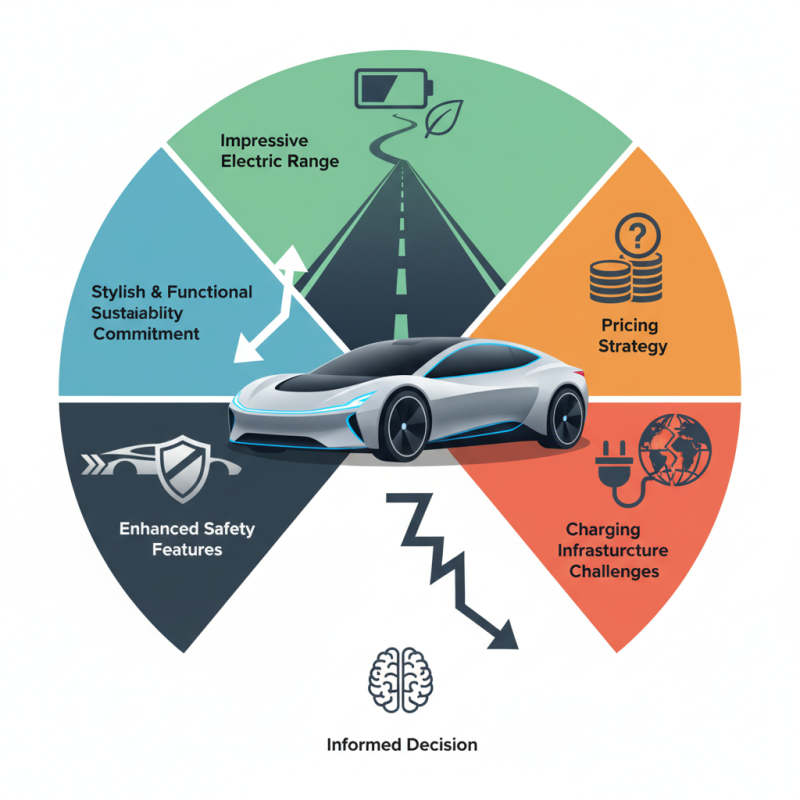
For global buyers, the Volta Electric Car offers a range of benefits. It boasts an impressive electric range, appealing to eco-conscious consumers. The design merges style with functionality, catering to diverse tastes. Safety features enhance the driving experience, assuring users of their well-being on the road.
However, there are areas for improvement. The pricing strategy may not attract budget-minded buyers. Additionally, the charging infrastructure remains a challenge in many regions. As the Volta Electric Car continues to evolve, understanding these aspects will be crucial for potential owners. Making an informed decision is essential in today’s fast-paced automotive world.
Electric cars are becoming increasingly popular among global buyers. One standout model is the Volta electric car, known for its innovative features. Buyers appreciate the impressive range these cars offer on a single charge. Many users report they can drive long distances without frequent recharging.
Another attractive feature is the advanced safety technology. These vehicles include sensors to detect obstacles and prevent collisions. Additionally, the integrated navigation systems are user-friendly and provide real-time traffic updates. Some may find the learning curve for these systems a bit steep, but many soon appreciate the convenience.
Charging options also play a crucial role. Fast-charging capabilities allow drivers to recharge in a matter of minutes. Yet, some users wish for more widespread charging infrastructure. It's important to evaluate local charging facilities when considering an electric vehicle. Overall, Volta electric cars present a blend of modern technology and eco-friendliness that appeals to diverse markets.
The rise of electric vehicles (EVs) has sparked a paradigm shift in the automotive industry. Innovative technology is at the heart of this change. Advanced battery systems and regenerative braking have enhanced efficiency. According to a recent report by the International Energy Agency, global EV sales surged by 43% in 2021 alone. This growth indicates a strong market demand for innovative features.
One notable advancement is the integration of connected technology. Vehicles now come equipped with smart systems for navigation and maintenance. These features provide real-time data to drivers, enhancing safety and convenience. A study by McKinsey highlights that 70% of consumers prioritize connectivity in their vehicle choices. However, the complexity of these technologies may pose challenges for some users. Not everyone is tech-savvy, leading to potential usability issues that require further industry focus.
Another innovative feature is the use of artificial intelligence in driver assistance systems. This technology enhances the overall driving experience. AI helps in optimizing routes and monitoring vehicle condition. However, some reports suggest that reliance on AI may lead to complacency among drivers. Ultimately, while technological innovations are driving the electric vehicle market forward, there are still hurdles to address for broader consumer acceptance.
The sustainability of electric vehicles, particularly those using advanced technologies, has become increasingly essential. According to a report from the International Energy Agency, electric cars can reduce greenhouse gas emissions by up to 45% compared to traditional vehicles. This dramatic decrease highlights the potential of electric cars in combating climate change.
Volta cars emphasize eco-friendly materials and streamlined production processes. By using recycled materials, they aim to minimize their carbon footprint. However, some manufacturers still face challenges with battery disposal and resource extraction. A significant concern is that lithium-ion batteries require extensive mining, which can harm ecosystems. In fact, studies suggest that between 10%-30% of emissions from a car's lifecycle occur during the battery production phase.
Innovations in energy sourcing further enrich the sustainability story. Utilizing renewable energy during manufacturing can significantly cut emissions. Yet, not all electric vehicles achieve this. Data reveals that only 20% of manufacturers employ 100% green energy in their factories. This gap presents a critical reflection point for the industry, where the shift to truly sustainable practices is still in progress. More companies must prioritize a holistic approach to sustainability.
The preferences of global consumers for electric vehicles reflect diverse regional needs. For instance, urban buyers often prioritize compact designs for easy maneuverability in crowded cities. They appreciate features like regenerative braking and quick charging, which suit their daily commutes. Meanwhile, rural consumers may lean towards vehicles with extended range capabilities. They want cars that can handle longer distances with ease.
Customization plays a significant role as well. In some countries, consumers prefer advanced infotainment systems that integrate seamlessly with their digital lives. Others may look for simpler interfaces that focus on functionality. This highlights a need for adaptability in design. Some features that appeal to urban users might be less important to those living in suburban or rural areas.
Environmental concerns are also shaping preferences. Buyers worldwide increasingly value sustainability in materials and production processes. However, attitudes toward electric cars can vary significantly. Some regions embrace the technology wholeheartedly, while others remain skeptical due to infrastructure and charging availability. Understanding these nuances is key for manufacturers aiming to meet the diverse needs of their consumers.
The electric vehicle market is buzzing with options. Among the contenders, Volta electric cars stand out with unique features aimed at global buyers. Their design is sleek and modern, appealing to eco-conscious consumers. Advanced battery technology offers impressive range and efficiency. Yet, some features may not meet every driver’s expectations. For instance, the charging infrastructure may lag in certain regions.
When comparing Volta to competitors, it's crucial to note differences. Many rival cars offer faster charging times, which can be a deal-breaker. Safety features vary significantly across brands. While Volta excels in some areas, its performance might not always shine. Potential buyers need to weigh these aspects carefully.
Consumer preferences also dictate market trends. Some buyers prioritize tech features, while others focus on sustainability. Volta’s innovation is admirable, but it’s essential to consider how it stacks up against others. Flaws exist, and each vehicle has room for improvement. Ultimately, informed decisions help consumers navigate this fast-evolving landscape.
| Feature | Volta Electric Car | Competitor A | Competitor B |
|---|---|---|---|
| Range (miles) | 350 | 300 | 310 |
| Charging Time (hours) | 8 | 6 | 7 |
| Battery Capacity (kWh) | 75 | 85 | 80 |
| Horsepower | 250 | 240 | 230 |
| Interior Space (cubic feet) | 100 | 90 | 95 |
| Price ($) | 40,000 | 42,000 | 41,000 |
: Electric cars have impressive ranges on a single charge. They enable long-distance travel without frequent recharging.
Advanced safety technology includes sensors to detect obstacles. Users report higher safety, but some features may feel overwhelming.
Fast-charging capabilities allow quick recharges. However, some users wish for more charging stations in their areas.
Volta electric cars have unique features but may lag in charging speed compared to rivals.
Some aspects, like charging infrastructure, might not meet expectations. Every vehicle has its flaws and areas for improvement.
Buyers may prioritize different features, such as technology or sustainability. Preferences greatly influence market choices.
The Volta Electric Car stands out in the global market due to its key features that cater to diverse consumer needs. With innovative technology at its core, Volta vehicles promise enhanced performance and user-friendly interfaces, making them attractive options for eco-conscious buyers. The commitment to sustainability not only helps in reducing the carbon footprint but also appeals to a market that is increasingly prioritizing environmental impact.
Consumer preferences vary widely across regions, leading to adaptations in the design and functionality of Volta Electric Cars. This responsiveness to local markets has allowed Volta to maintain a competitive edge. A comparative analysis with other players in the electric car market reveals that Volta’s focus on green technology and customer-centric features places it as a formidable contender in the evolving automotive landscape.
