
Dongfeng Dongfeng

How to Choose the Best Hybrid Trucks for Your Business Needs?

Time:2026-05-03 Author:Oliver
0%

Choosing the right hybrid trucks for your business is essential. With the rising demand for fuel efficiency and environmental responsibility, these vehicles are becoming increasingly popular. Industry expert John MacDonald, a leading figure in hybrid technology, once said, "Hybrid trucks offer unmatched versatility for today’s businesses."

When considering hybrid trucks, you should evaluate fuel efficiency, payload capacity, and maintenance costs. Each business has unique needs. For instance, a delivery service may prioritize fuel savings, while a construction company might focus on payload capacity. It’s crucial to reflect on your priorities and the daily demands of your operations.

You may notice that prices vary significantly between models. This divergence reflects different technologies and features. While some hybrid trucks promise lower fuel costs, they might lack performance in other areas. Careful analysis is necessary. Finding the best fit can sometimes feel overwhelming, yet it's a critical investment for sustainable growth.
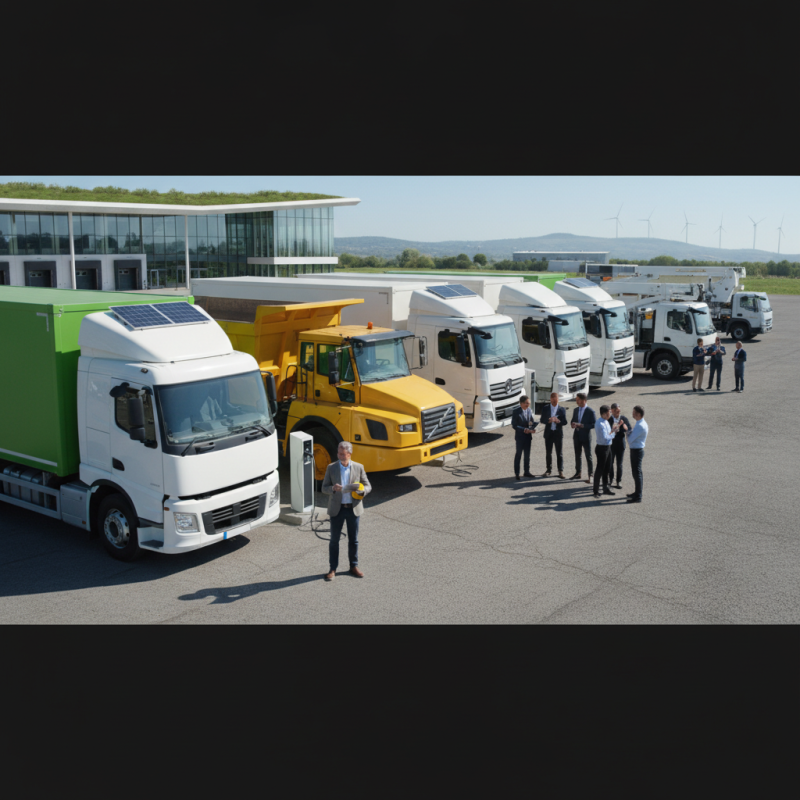
How to Choose the Best Hybrid Trucks for Your Business Needs?

Understanding Hybrid Trucks: Key Features and Benefits

Hybrid trucks are becoming increasingly popular for businesses. They provide a unique combination of fuel efficiency and powerful performance. Understanding their key features helps you make an informed decision.

One of the most significant benefits of hybrid trucks is their reduced emissions. They use both electric power and traditional fuel, leading to a smaller carbon footprint. This is crucial for businesses aiming to meet sustainability goals. Additionally, hybrid trucks often have lower operating costs. By using less fuel, savings can accumulate over time.

However, not all hybrid trucks are the same. Consider your specific business needs. Payload capacity, towing capability, and interior space are essential factors. While hybrid technology has advanced, some limitations still exist. For instance, battery life and charging infrastructure can sometimes pose challenges. Reflect on how these aspects impact your daily operations. Being aware of these variables can ensure your choice aligns with long-term goals.

How to Choose the Best Hybrid Trucks for Your Business Needs? - Understanding Hybrid Trucks: Key Features and Benefits

Feature Description Benefits Considerations
Fuel Efficiency Hybrid trucks utilize both gasoline and electricity to improve fuel economy. Lower fuel costs and reduced environmental impact. Initial higher purchase price and availability of charging infrastructure.
Payload Capacity The maximum weight the truck can safely carry, including cargo. Increased business productivity with higher load capabilities. Check weight distribution to ensure safety and legal compliance.
Maintenance Costs Regular servicing requirements and parts availability. Potential lower long-term costs due to fewer moving parts. Hybrid systems may require specialized maintenance knowledge.
Technology Integration Advanced tech features such as telematics and connectivity. Improved operational efficiency and real-time monitoring. Need for training staff and ensuring data security.
Environmental Impact Lower emissions compared to traditional trucks. Positive company image and compliance with environmental regulations. Consider local government incentives and regulations.

Assessing Your Business Requirements for Hybrid Trucks

Selecting the right hybrid truck for your business requires thorough assessment of your specific needs. Start by evaluating your daily operations. Consider the load capacity and range required for your typical deliveries. A hybrid truck can offer fuel savings, but will that offset performance issues in high-demand scenarios?

Next, think about your driving conditions. Will you be navigating urban environments or rugged terrains? City driving often benefits from the efficiency of hybrid technology. However, in rough areas, you may face challenges. It’s vital to analyze how mixed driving conditions may impact the vehicle's hybrid systems.

Cost is another factor. Initial investment might be higher for hybrid models. Calculate potential fuel savings and maintenance costs over time. Reflect on whether the advantages outweigh the upfront expense. Balancing budget constraints with operational needs can be tricky. Understanding how a hybrid truck fits into your business model is essential for making an informed choice.

Comparing Hybrid Truck Models: Performance and Cost Analysis

When selecting a hybrid truck, performance and cost are key factors. Hybrid trucks can offer improved fuel efficiency and lower emissions. However, their upfront costs are often higher than traditional models. Some models may save money over time, thanks to reduced fuel costs. Others might not deliver significant savings, leading to doubts about their overall value. Understanding the trade-offs is vital for decision-making.

In terms of performance, different hybrid truck models exhibit varying capabilities. Some prioritize power, while others focus on fuel conservation. Analyze how each model aligns with your business needs. Look at specifications like payload capacity and towing ability. These factors influence efficiency and performance in real-world applications. Additionally, monitor customer reviews and expert assessments. Gathering insights can enhance your understanding of each model’s reliability.

Comparing costs requires a comprehensive approach. Factor in potential maintenance expenses. Some hybrid trucks may have specialized components that require expensive repairs. Others might offer warranties that provide peace of mind. Be cautious in evaluating the total cost of ownership. A hybrid truck's initial price can be misleading when assessing long-term value. Balancing these elements will lead you to a well-informed choice, tailored for your business.

Evaluating Fuel Efficiency and Environmental Impact of Hybrid Trucks

When evaluating hybrid trucks for your business, fuel efficiency is crucial. These vehicles often combine gasoline engines with electric motors, leading to improved miles per gallon. This reduction in fuel consumption not only cuts costs but also lowers greenhouse gas emissions. A well-chosen hybrid truck can significantly impact your company’s carbon footprint.


Environmental considerations are equally important. Many businesses now prioritize sustainability. Choosing a hybrid truck can reflect your company’s commitment to eco-friendly practices. However, it’s important to consider how hybrids perform in different conditions. In city driving, they tend to excel. Yet, their efficiency can drop on highways. Businesses must weigh these factors against their operating needs.


Tread carefully with hybrid technology. Maintenance can be more complex than traditional trucks. Parts may be more difficult to source, leading to longer downtimes. Understanding these challenges requires honest evaluation and expert guidance. Engaging with reliable sources will help you make informed choices about hybrid trucks.

Financing and Maintenance Considerations for Hybrid Trucks in Business

When considering hybrid trucks for your business, financing options are crucial. A thorough understanding of your budget is necessary. Look into loan options that offer competitive rates, but also consider leasing. Leasing may lower your upfront costs, making it easier to manage cash flow. Analyze your long-term needs before deciding, as each option has its pros and cons.

Maintenance is another essential aspect of hybrid trucks. While they often require less frequent maintenance than traditional trucks, don't overlook the importance of routine check-ups. Hybrid models may need specialized care, particularly for their electric components. Ignoring this can lead to costly repairs down the line. Keeping accurate records of maintenance can also enhance the reliability of your fleet.

Evaluating your choices critically is vital. Are you choosing hybrids for environmental reasons or cost savings? Each decision impacts your business. The right hybrid truck can boost efficiency, but only if the financing and maintenance are well-managed. Reflect on what works best for your operation's unique demands.

FAQS

: What are the benefits of hybrid trucks?

: Hybrid trucks offer reduced emissions, lower operating costs, and are fuel-efficient. This is key for sustainability goals.

How do I choose the right hybrid truck for my business?

Assess your daily operations and consider payload, towing capacity, and range. It's crucial to match the truck to your needs.

What driving conditions should I consider?

Evaluate whether your routes are urban or rugged. City driving benefits from hybrids, but rough terrains pose challenges.

Are there different financing options for hybrid trucks?

Yes, explore loan options and leasing. Leasing can lower upfront costs, aiding cash flow management.

How often do hybrid trucks require maintenance?

They need less frequent maintenance than traditional trucks, but routine check-ups are still essential for reliability.

What challenges might occur with hybrid technology?

Limitations like battery life and charging infrastructures can affect daily operations. Reflect on how these aspects impact choices.

Do initial costs outweigh long-term savings for hybrid trucks?

Consider whether potential fuel and maintenance savings justify the higher upfront investment. Analyze your budget carefully.

What maintenance records should I keep?

Accurate maintenance records enhance fleet reliability. They help track performance and inform future service needs.

Can hybrid trucks meet high-demand performance requirements?

They offer fuel savings, but assess if this offsets any performance issues during high-demand scenarios.

What unique factors should businesses reflect on when choosing hybrids?

Determine whether the primary motivation is environmental benefits or cost savings. This influences your decision-making process.

Conclusion

When selecting the best hybrid trucks for your business, it is essential to understand their key features and benefits, which can offer significant advantages over traditional vehicles. Start by assessing your specific business requirements, including load capacities and usage frequency, to determine the most suitable models. Evaluating different hybrid truck options involves a detailed performance and cost analysis, ensuring that you select a model that fits within your budget while meeting your operational needs.

In addition to performance metrics, evaluating the fuel efficiency and environmental impact of hybrid trucks is crucial, as these vehicles are designed to reduce emissions and lower fuel costs. Finally, consider financing options and maintenance needs associated with hybrid trucks, as they can vary significantly from conventional vehicles. By weighing these factors, you can make an informed decision that supports your business goals and contributes to a more sustainable operation.

Oliver

Oliver

Oliver is a seasoned marketing professional with a wealth of expertise in driving brand awareness and engagement. With a deep understanding of our company's product offerings, he consistently delivers high-quality content that enriches our professional blog. His insights not only shed light on......