
Dongfeng Dongfeng

What is a Hybrid Car and How Does it Work in 2026?

Time:2026-04-17 Author:Liam
0%

The automotive landscape is evolving rapidly, with hybrid cars leading the charge towards sustainable transportation. In 2026, understanding hybrid cars is crucial. These vehicles combine traditional gasoline engines with electric motors. This unique blend enhances fuel efficiency and reduces emissions. Many drivers appreciate the smooth transition between power sources.

While hybrid cars boast numerous advantages, they are not without challenges. Maintenance can be more complex than traditional vehicles. Battery lifespan and replacement costs often concern potential buyers. However, the increasing availability of technology and resources makes these issues more manageable.

As we explore what hybrid cars are and how they function, it’s essential to consider real-world applications. Cities are adapting their infrastructure to support these eco-friendly vehicles. Yet, awareness and education remain key. Emphasizing the importance of hybrid cars fosters informed choices among consumers. The future of mobility may hinge on our understanding of this innovative technology.
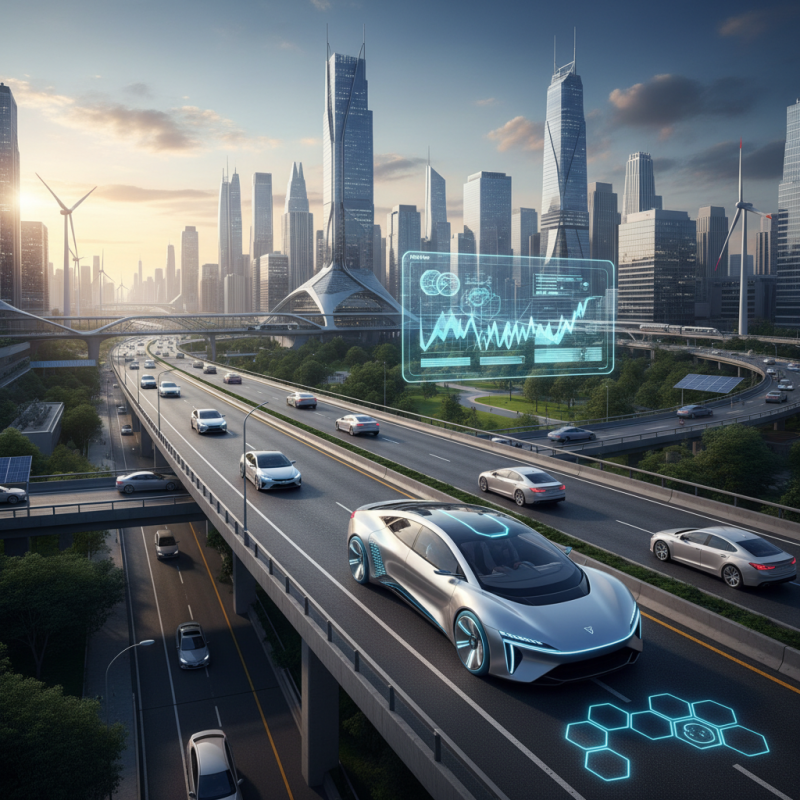
What is a Hybrid Car and How Does it Work in 2026?

What Defines a Hybrid Car in 2026?

In 2026, hybrid cars stand out for their unique blend of traditional and modern technologies. These vehicles utilize both an internal combustion engine and an electric motor. The goal? To enhance fuel efficiency and reduce emissions. The electric motor assists during acceleration, making driving smoother and quieter. This dual approach makes hybrids versatile for various driving conditions.

What defines a hybrid car today goes beyond just its components. The integration of advanced battery technology plays a crucial role. Modern hybrids boast improved battery life and charging capabilities. They often include regenerative braking, which captures energy during stops. This smart feature means that part of the energy typically lost is reused, enhancing overall efficiency.

However, hybrid cars aren’t without challenges. Some consumers may find maintenance costs higher due to complex systems. Others might question the environmental impact of hybrid batteries. These considerations are vital for buyers. Ultimately, understanding these nuances can lead to more informed choices in the evolving automotive landscape.

Types of Hybrid Cars: Mild, Full, and Plug-in Variants

Hybrid cars have gained popularity for their efficiency and reduced environmental impact. In 2026, various types of hybrids cater to diverse needs. Mild hybrids are the simplest form. They use a small electric motor to assist the gasoline engine. This technology improves fuel economy but cannot power the car alone. Many drivers appreciate the added efficiency during city driving.

Full hybrids offer more power and flexibility. They can run on electric power alone for short distances. This feature is useful for short trips and idling. The transition between electric and gasoline power can be seamless, providing a smooth driving experience. However, some users may notice a decrease in overall range when relying on electric power frequently.

Plug-in hybrids take things further with larger batteries. They can be charged at home or public stations. This extended electric range allows for more all-electric driving. However, charging infrastructure can be inconsistent in some areas. The reliance on public charging stations creates challenges for some owners. Each type of hybrid has its benefits and drawbacks, catering to various consumer preferences and lifestyles.

The Technology Behind Hybrid Cars: Batteries and Electric Motors

Hybrid cars blend traditional gasoline engines with electric motors. This combination enhances fuel efficiency and reduces emissions. In 2026, hybrid technology continues to evolve, focusing on battery advancements and efficient electric motors.

Batteries are a crucial part of hybrid vehicles. Lithium-ion batteries are popular due to their lightweight and high energy density. These batteries store energy generated during braking. The stored energy powers the electric motor, helping to save gas. However, battery disposal and recycling remain significant issues.

Electric motors in hybrids help optimize energy usage. They provide quick acceleration and assist the gasoline engine. Yet, efficiency can decrease with age. Routine checks on the electric motor can prevent major issues.

Tips: Always monitor your battery’s health. If you notice a drop in performance, consult a professional. Regular maintenance is essential for longevity. Consider driving habits; smooth acceleration maximizes efficiency. Hybrid technology has great potential, but users must stay informed about its complexities.

What is a Hybrid Car and How Does it Work in 2026?

Aspect Description
Definition A hybrid car uses a combination of an internal combustion engine and one or more electric motors.
Types Series hybrids, parallel hybrids, and plug-in hybrids.
Key Components Battery pack, electric motor, internal combustion engine, regenerative braking system.
Battery Technology (2026) Lithium-ion batteries with improved energy density and fast charging capabilities.
Fuel Efficiency Typically 20-50% better fuel economy compared to conventional vehicles.
Environmental Impact Lower greenhouse gas emissions and reduced fossil fuel dependence.
Market Trends Increasing consumer preference for greener alternatives and government incentives for hybrid vehicle adoption.

How Hybrid Cars Improve Fuel Efficiency and Reduce Emissions

Hybrid cars represent a significant advancement in automotive technology. These vehicles utilize both a traditional internal combustion engine and an electric motor. This combination enhances fuel efficiency and significantly reduces harmful emissions. A study from the US Department of Energy indicated that hybrid vehicles can improve fuel economy by 20% to 35% compared to standard gasoline cars.

In 2026, we see hybrid cars achieving even greater impact. According to the International Energy Agency, hybrid vehicles could save over 1.5 billion tons of CO2 by 2030, making a noticeable mark on climate change. Consumers can expect a more seamless integration of technology. The use of regenerative braking captures energy that would otherwise be lost, enhancing overall efficiency.

However, challenges remain. The battery production for hybrids often involves complex supply chains, which can have environmental impacts. The disposal of these batteries also poses questions about sustainability. As we innovate, addressing these issues is crucial. Hybrid cars are stepping stones, yet they are not the final answer to the climate crisis. Continued improvements are necessary for lasting change.

Future Trends: Innovations in Hybrid Car Design and Functionality

The landscape of hybrid car design and functionality is evolving rapidly. As we move into 2026, innovations are transforming how these vehicles operate. According to a report from the International Energy Agency, the hybrid vehicle market is expected to grow by 25% annually. This growth highlights not only technological advancements but also changing consumer preferences for sustainable transportation.

New trends incorporate lighter materials and improved battery efficiencies. This design shift is crucial. It leads to better fuel economy and reduces emissions. For instance, using advanced composites can cut vehicle weight by up to 30%. Enhancing aerodynamics also plays a key role in the efficiency of hybrid cars. Engineers are rethinking shapes and surfaces to minimize drag.

Tips: Keep an eye on emerging technologies like solar integration. Some manufacturers are experimenting with solar panels to boost energy efficiency. Consider how battery advancements might enhance electric-only ranges. Thoughtful innovation offers a glimpse into better driving experiences.

However, it’s important to note that challenges remain. Battery production still relies on finite resources, raising sustainability questions. Consumer education about these vehicles also lags behind. Many potential buyers are not fully aware of their benefits or how they work. Addressing these gaps will be vital for the industry’s future.

Trends in Hybrid Car Sales (2026)

This chart illustrates the projected increase in global hybrid car sales from 2022 to 2026, highlighting a significant growth trend in the adoption of hybrid vehicles. As technology advances and consumer awareness increases, it is expected that the sales of hybrid cars will continue to rise in the coming years.

FAQS

: What is a hybrid car?

: A hybrid car combines an internal combustion engine and an electric motor for better fuel efficiency.

How do hybrid cars improve fuel efficiency?

They can enhance fuel economy by 20% to 35% compared to traditional gasoline vehicles.

What role does battery technology play in hybrids?

Advanced battery technology improves life and charging, allowing for efficient energy use.

What is regenerative braking?

Regenerative braking captures energy during stops and reuses it, boosting overall efficiency.

Are there challenges with hybrid cars?

Yes, maintenance costs may be higher, and battery production raises environmental concerns.

How do hybrids impact the environment?

They reduce harmful emissions but raise questions about battery disposal and production sustainability.

What is the future outlook for hybrid cars?

They are evolving, but continued improvements are needed to address existing challenges.

Can hybrids fully solve the climate crisis?

No, hybrids are steps toward improvement, not the ultimate solution to climate issues.

How do hybrids perform in various driving conditions?

The dual approach makes hybrids versatile, enhancing the driving experience in many conditions.

What should consumers consider before buying a hybrid?

Buyers should think about maintenance costs, environmental impacts, and their own driving needs.

Conclusion

In 2026, a hybrid car is defined as a vehicle that combines an internal combustion engine with an electric motor to optimize performance and efficiency. The three main types of hybrid cars include mild hybrids, which enhance a traditional engine's efficiency; full hybrids, which can operate on either the electric motor or gasoline engine; and plug-in hybrids, which allow for external charging and typically feature larger batteries for extended electric-only driving.

The technology behind hybrid cars centers around sophisticated battery systems and electric motors that work in conjunction to improve fuel economy and reduce emissions. As the automotive industry progresses, future trends indicate innovative designs and functionalities that promise to enhance the driving experience further. Overall, hybrid cars represent a significant step toward sustainable transportation by marrying traditional automotive engineering with cutting-edge electric technology.

Liam

Liam

Liam is a dedicated marketing professional with a profound expertise in the industry, where he excels at highlighting the unique advantages of our core products. With a keen understanding of market trends and consumer needs, Liam frequently updates our company’s professional blog, providing......