 Dongfeng
China’s automotive scale is undeniable, but diesel-hybrid passenger cars remain a specialized segment. The China Association of Automobile Manufacturers reported 12.87 million new-energy vehicle sales in 2024, illustrating the market’s strong shift toward electrified powertrains. The International Energy Agency’s Global EV Outlook 2024 also found that China accounted for more than half of global electric-car sales in 2023. These figures provide useful context, but they do not prove that every diesel-hybrid model is widely available for export.
Toyota chairman and automotive industry expert Akio Toyoda has said, “There are many ways to climb the mountain that is achieving carbon neutrality.” His point supports a practical view of powertrain choice: the right vehicle depends on its work, route, and fuel access. For global buyers, diesel hybrids may appeal where long distances, heavy loads, or limited charging make efficiency especially valuable. But the label alone is not enough.
This guide examines China Diesel Hybrid Cars through details buyers can verify: engine and motor specifications, fuel economy claims, cabin and cargo space, service support, and export availability. A polished specification sheet can hide important gaps. Some details may also change between trims or markets. Treat the rankings as a starting point, not a substitute for checking the exact vehicle and local support before purchase.
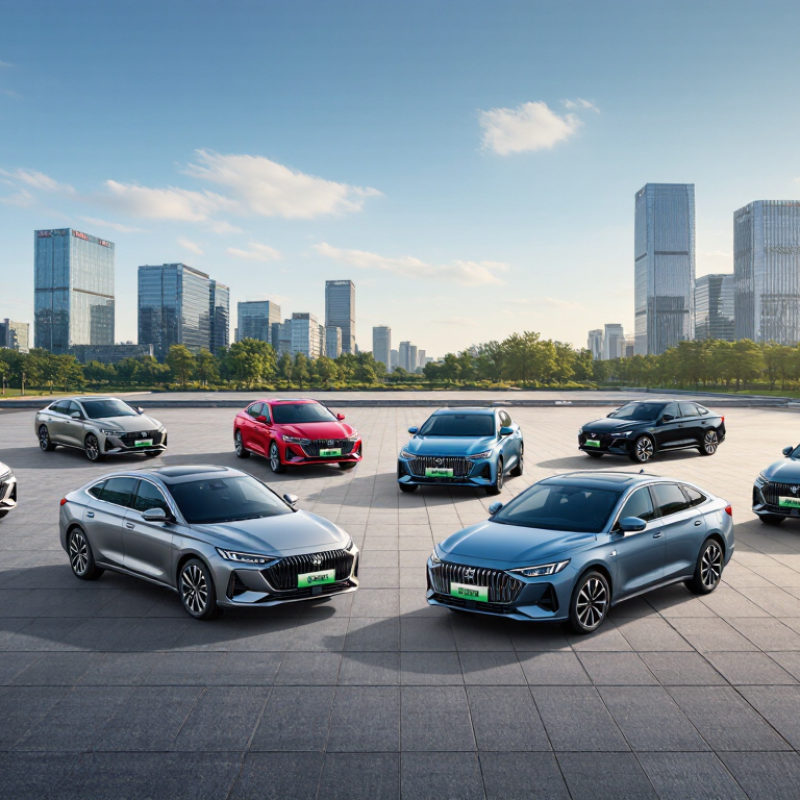
A diesel hybrid combines a compression-ignition engine with an electric motor, battery, and control system. The diesel engine usually handles steady cruising and sustained power. The motor can assist during acceleration, when extra torque is useful. Together, they share the workload rather than simply taking turns.
A small battery stores energy recovered during braking and deceleration. The motor then uses that energy to support the engine, especially in stop-and-go traffic. Some systems can move briefly on electric power alone, but many cannot travel far this way. The exact behavior depends on the hybrid layout and vehicle settings. That matters. Fuel savings are not automatic: frequent short trips, heavy loads, and high speeds can change the result. Hybrid systems also add components, weight, and maintenance considerations. Those trade-offs deserve a closer look.
Tips: Check the vehicle’s technical specifications for battery capacity, motor output, and combined power. Compare fuel-use figures under driving conditions similar to yours. Ask how regenerative braking feels on a test drive; the pedal response may take getting used to. Don’t assume every diesel hybrid behaves the same.
This is a technology and buyer-assessment guide, not a verified ranking of ten available vehicle models. Diesel-hybrid passenger-car availability in China and export markets is limited and changes over time; confirm each vehicle’s production status, specification, and local certification with current official documentation.
| No. | Powertrain or Buyer Check | How It Works | What Global Buyers Should Verify |
|---|---|---|---|
| 1 | Diesel engine and electric motor | A diesel engine provides mechanical power, while one or more electric machines can assist propulsion or recover energy during deceleration. | Check the published engine and motor ratings, and confirm whether the ratings are separate peak figures or a combined system output. |
| 2 | Hybrid architecture | In a parallel hybrid, the engine and motor can both drive the wheels. In a series arrangement, the engine primarily generates electricity for the drive motor. Some systems combine both approaches. | Ask which operating modes are supported and whether the vehicle can move using electric power alone. |
| 3 | Hybridization level | A mild hybrid mainly assists the engine and typically cannot propel the vehicle independently. A full hybrid can drive electrically in some conditions; a plug-in hybrid has a larger rechargeable battery. | Do not assume that the word “hybrid” means plug-in charging or meaningful electric-only range. Check the vehicle’s documented system type. |
| 4 | Battery and voltage | The battery stores energy recovered during braking or supplied by an external charger on a plug-in model. Battery capacity and system voltage vary by vehicle design. | Request the usable battery capacity, warranty terms, replacement support, and charging specifications where applicable. |
| 5 | Regenerative braking | During deceleration, the electric machine can operate as a generator and return some kinetic energy to the battery. Friction brakes remain necessary for braking needs the system cannot meet. | Check how regenerative braking behaves at low battery charge, in cold conditions, and when towing or driving on steep roads. |
| 6 | Transmission and power delivery | The transmission or power-split device coordinates engine and motor output. Its design affects how smoothly the vehicle changes between operating modes. | Review the transmission type, service schedule, warranty coverage, and availability of trained repair technicians in the destination market. |
| 7 | Fuel-consumption claims | Hybrid assistance can reduce fuel use in some driving conditions, but results depend on vehicle mass, route, speed, temperature, payload, and battery state. | Compare figures measured under the same test cycle. Treat laboratory results as estimates rather than a guarantee of real-world consumption. |
| 8 | Diesel emissions equipment | Modern diesel vehicles may use exhaust after-treatment systems, such as a particulate filter and selective catalytic reduction, depending on the engine and market specification. | Verify the applicable emissions standard, required fluid and maintenance procedures, and compatibility with local fuel quality and regulations. |
| 9 | Charging and operating costs | Non-plug-in hybrids recharge their batteries through the vehicle’s energy-recovery and engine systems. Plug-in hybrids can also draw electricity from an external supply. | For a plug-in model, check connector type, charging power, local-grid compatibility, and whether public charging access suits your routes. |
| 10 | Export approval and ownership support | A vehicle’s sale in one country does not automatically mean it is certified, supported, or eligible for registration in another. | Confirm local homologation, warranty validity, parts supply, software and language support, service access, and import requirements before purchase. |
Check hybrid type, engine output, torque, transmission, battery capacity, towing limits, and cargo space. Fuel figures alone are not enough.
Look for a quiet cabin, stable cruising, and a generous fuel tank. A calm test drive helps.
Check ground clearance, payload, and spare-wheel storage. Measure the boot with the seats folded, too.
Not always. Short trips may leave the engine little time to warm up. Real-world fuel use can differ from published figures.
Ask for the build year, vehicle identification details, warranty terms, and a written equipment list. Keep copies.
Confirm eligibility, emissions and safety requirements, duties, documents, and inspections with local authorities or a qualified customs agent. Do not rely only on a seller’s assurance.
Ask whether nearby workshops can service the diesel system, battery, and high-voltage components. Check how replacement parts are sourced.
Budget for diagnostics and battery checks, even with a warranty. I might be overly cautious, but support gaps can become costly.
This article explains how diesel hybrid cars combine a diesel engine with electric assistance to balance torque, fuel use, and driving range. It places China Diesel Hybrid Cars in a broader market context, then introduces ten Chinese models as options for global buyers. Rather than treating them as interchangeable, the overview considers how their powertrain layouts and practical characteristics may suit different needs, such as long-distance travel, demanding routes, or everyday use.
A comparison of specifications and use cases helps readers identify which models may fit their priorities. The article also outlines key considerations for overseas buyers, including import arrangements, local certification requirements, parts availability, servicing, and long-term ownership costs. Together, these topics offer a practical starting point for evaluating Chinese diesel hybrid vehicles while recognizing that suitability depends on the buyer’s location, driving conditions, and support options.
