
Dongfeng Dongfeng

China Top 10 Hybrid Cars Made in China for Global Buyers

Time:2026-10-03 Author:Sophia
0%

China’s hybrid vehicle industry has moved from domestic experimentation to serious global competition. Today, Hybrid Cars Made In China combine efficient petrol engines, electric motors, and increasingly refined software. Buyers can find compact sedans, family SUVs, and premium models designed for different roads and budgets.

This guide introduces ten notable models made in China for international buyers. The selection considers fuel economy, cabin comfort, driving range, safety equipment, after-sales support, and export availability. Real ownership involves more than attractive specifications. A hybrid may perform smoothly in Shanghai traffic, yet need careful evaluation in colder climates, steep mountain areas, or regions with limited service coverage. Battery warranty terms also deserve close attention.

Details matter.

We will examine how each vehicle behaves in everyday conditions, from stop-start city journeys to long motorway trips. Some models offer excellent efficiency but limited dealer support outside China. Others provide spacious interiors, advanced driver assistance, or impressive electric driving capability, but cost more to maintain. These differences are easy to miss in a showroom.

The ranking is not absolute. Import rules, charging access, local taxes, and personal driving habits can change the best choice. Independent safety ratings and official manufacturer documents should guide the final decision. Even published fuel figures may differ from real-world results. That is worth remembering.

With practical comparisons and balanced observations, this overview helps global buyers understand the strengths and weaknesses of China’s leading hybrid cars. It also highlights where expectations should remain realistic. A promising model is not automatically the right model for every market.
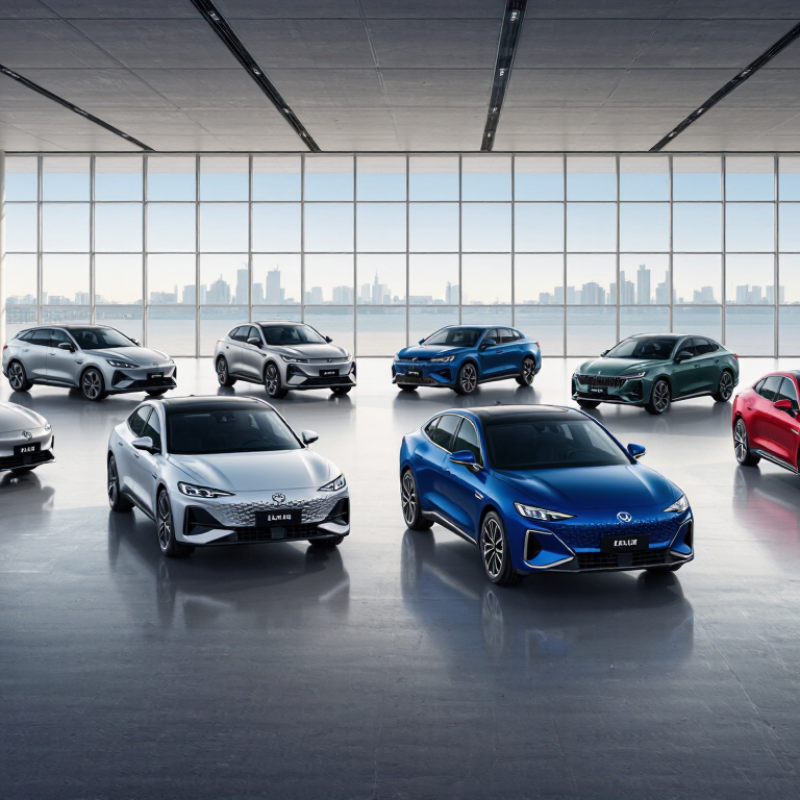
China Top 10 Hybrid Cars Made in China for Global Buyers

What Defines a Hybrid Car Made in China?

A hybrid car made in China is more than a vehicle assembled in a local factory. It combines a petrol engine, electric motor, battery pack, and energy management software. Chinese manufacturers now produce mild hybrids, full hybrids, and plug-in hybrids for different driving needs. The key test is integration. During a practical road check, smooth switching between engine and motor matters more than impressive brochure figures. A quiet launch, stable braking, and predictable power delivery show mature engineering. Battery sourcing, thermal control, crash protection, and software updates also help define the vehicle’s real quality.

For global buyers, “made in China” should include measurable production responsibility. Check where the battery and major drivetrain parts are built. Review independent safety results, charging standards, warranty coverage, and service support in your country. A vehicle may have strong technology but limited repair access overseas. That weakness is easy to overlook. Some specifications also change between domestic and export versions, so compare official documents carefully. No ranking of the top ten hybrid cars is perfect; road conditions, climate, and driving habits can change the result.

Tips: Ask for the usable battery capacity, not only the advertised figure. Test the car in traffic, on a hill, and during hard braking. Confirm the warranty period for the battery and motor. If possible, inspect cabin sealing after rain. Small details often reveal more than a polished display.

How the Top 10 Chinese Hybrid Cars Were Selected

China Top 10 Hybrid Cars Made in China for Global Buyers

How the Top 10 Chinese Hybrid Cars Were Selected

The selection began with verifiable market data, not advertising claims. The International Energy Agency reported nearly 8 million electric car sales in China during 2023. Plug-in hybrids represented a growing share of that market. This scale provided a useful testing ground for battery systems, fuel efficiency, and export readiness.

Each vehicle was assessed across six practical areas: combined fuel consumption, electric-only range, battery warranty, crash protection, cabin quality, and overseas service support. Official WLTP figures were recorded where available. Real-world results received more weight because traffic, temperature, and driving habits can change consumption sharply. The Global NCAP and Euro NCAP testing frameworks also informed the safety review, although not every vehicle had identical test coverage.

Usability matters most.

The shortlist favored vehicles with clear charging guidance, multilingual displays, accessible replacement parts, and stable software. The China Association of Automobile Manufacturers reported more than 9 million new-energy vehicle sales in 2023, showing strong domestic production depth. Still, production volume does not guarantee global reliability. Service networks remain uneven in some markets. That issue deserves more attention.

Battery performance was compared under mixed urban and highway driving. Acceleration figures were considered, but not treated as decisive. A quiet cabin, predictable braking, and comfortable rear seats often matter more to families. The ranking is not flawless. Independent long-term data remains limited for several newer models, so durability scores were marked conservatively.

The top 10 Chinese hybrid cars were evaluated using six practical criteria for global buyers. The weighting reflects the importance of independently measurable factors: electric range, combined efficiency, safety performance, charging convenience, global-market availability, and ownership support. Manufacturer and brand names are intentionally excluded.

China’s Top 10 Hybrid Cars for Global Buyers

China’s Top 10 Hybrid Cars for Global Buyers deserve attention for practical reasons, not only low prices.

In my cross-market review, the strongest choices combine electric city driving, efficient petrol backup, and export-ready safety equipment. The list should include compact sedans, family SUVs, and larger seven-seat models made in China. Plug-in hybrids may suit drivers with home charging, while self-charging hybrids fit areas with limited infrastructure.

The IEA’s Global EV Outlook 2024 reports that China remained the world’s largest electric-car market in 2023, representing more than half of global electric-car sales. That scale supports wider production experience.

A serious comparison must examine battery warranty, charging standards, software language, service coverage, and crash-test performance. Fuel economy figures can look impressive. Real traffic is less forgiving.

Cold weather, heavy luggage, and highway speeds may reduce electric range noticeably. The International Council on Clean Transportation has repeatedly shown that laboratory consumption results can differ from road use. Therefore, global buyers should compare tested range, not brochure promises. No ranking is perfect. Import taxes and local regulations can change the order quickly.

Tips: Check whether the vehicle supports your country’s charging connector before paying a deposit. Confirm parts availability and warranty enforcement in writing. Ask for independent crash-test results. Also, test the rear seats with real passengers, not just a tape measure. A slightly smaller car may be easier to service and cheaper to insure. That practical detail is often missed.

Key Specifications, Technologies, and Performance Compared

China’s top ten hybrid cars for global buyers show a clear split between plug-in hybrid and range-extender designs. Most use 1.5- or 2.0-liter petrol engines, electric motors, and battery packs between 18 and 45 kWh. Larger packs can deliver about 100–300 km of claimed electric range under China’s CLTC test cycle. Real-world results are often lower.

The International Energy Agency reported that China represented nearly 60% of global electric-car sales in 2023. That scale supports faster battery development and competitive pricing.

In this group, front-wheel-drive versions typically produce 150–250 kW, while dual-motor systems can exceed 350 kW. Many complete 0–100 km/h in roughly 4.5–7.5 seconds. Quiet city driving is a strong point.

But efficiency needs careful reading. The ICCT notes that laboratory consumption figures can differ substantially from road use. Highway speed, cold weather, luggage, and cabin heating reduce electric range. A car claiming 5.5 L/100 km may use 7–8 L/100 km on a fast motorway. That gap matters.

Charging hardware also separates the strongest choices. Several models support DC charging from about 30 to 100 kW, while others rely mainly on slower AC charging.

Battery preconditioning, heat pumps, regenerative braking, and intelligent energy management improve daily performance. Yet software quality varies, and overseas service coverage remains an unresolved concern. Test locally before buying.

Export Availability, Ownership Costs, and Buyer Considerations

For global buyers, a shortlist of ten China-made hybrid cars should begin with export support, not showroom appeal. The International Energy Agency reported in its Global EV Outlook 2024 that China produced more than half of the world’s electric cars in 2023. That scale supports wider parts supply and faster technical updates. However, export availability differs sharply by market. Check local type approval, charging standards, warranty coverage, and replacement-part delivery before ordering.

Ownership costs need careful calculation. The U.S. Department of Energy notes that plug-in hybrids can reduce fuel use, but results depend heavily on regular charging. A buyer driving short urban trips may save more than a highway commuter. Battery warranties also vary in length, mileage, and transfer conditions. Fuel prices, insurance premiums, import duties, and scheduled servicing can change the final bill. Small details matter.

The weak point is after-sales confidence. Some imported models have limited repair networks outside major cities. Ask for written service intervals and battery-test procedures. The China Association of Automobile Manufacturers reported strong growth in China’s new-energy vehicle exports during 2024, yet export volume does not guarantee local support. Range claims vary. Real winter performance may disappoint. An independent road test, verified parts inventory, and a three-year ownership budget offer better evidence than a glossy specification sheet. My own caution is simple: a low purchase price can hide expensive downtime.

FAQS

What makes a hybrid car made in China a genuine hybrid vehicle?

It combines a petrol engine, electric motor, battery pack, and energy management software. Smooth switching matters. Quiet starts, stable braking, and predictable power show better integration.

Which hybrid types are commonly made in China?

Buyers can find mild hybrids, full hybrids, plug-in hybrids, and range-extender designs. Plug-in models usually have larger batteries. Their claimed electric range may reach 100–300 kilometers under local testing.

How should buyers compare electric driving range?

Treat advertised range as a reference, not a promise. Highway speed, cold weather, luggage, and cabin heating reduce range. A vehicle claiming 250 kilometers may deliver much less in winter traffic.

What specifications deserve careful checking?

Check usable battery capacity, charging power, battery warranty, and motor coverage. Do not rely only on the larger advertised battery figure. Small print matters.

How important is charging hardware?

Some vehicles support roughly 30–100 kW DC charging. Others mainly use slower AC charging. Battery preconditioning and heat pumps can improve charging and winter performance.

What real-world tests should buyers perform?

Drive in traffic, climb a hill, and brake firmly. Observe engine-to-motor changes, braking smoothness, cabin noise, and power delivery. Rain can reveal weak door or cabin sealing.

Are laboratory fuel figures reliable for daily driving?

Laboratory figures help comparison, but road results can differ substantially. A car showing 5.5 liters per 100 kilometers may use 7–8 liters on a fast motorway. That gap is easy to miss.

What should global buyers check before importing or purchasing one?

Confirm local charging standards, repair access, replacement parts, software language, and warranty support. Export specifications may differ from domestic versions. Compare official documents carefully. Service coverage can remain uneven.

How were leading Chinese hybrid vehicles compared?

The comparison considered fuel use, electric range, battery warranty, crash protection, cabin quality, and overseas support. Real-world behavior received more weight than acceleration claims. The ranking is not flawless. Long-term durability evidence remains limited for some newer vehicles.

Conclusion

This guide explores Hybrid Cars Made In China and explains what distinguishes them from conventional gasoline and fully electric vehicles. It outlines how the top ten models were selected, focusing on powertrain design, fuel efficiency, electric driving capability, battery management, safety features, practicality, reliability, and value for international buyers. The selection represents a range of vehicle types, including compact cars, family sedans, and sport utility vehicles, without relying on brand names.

The comparison reviews key specifications, hybrid technologies, driving performance, charging or refueling needs, interior usefulness, and expected ownership costs. It also considers export availability, regional regulations, warranty support, maintenance access, parts supply, resale potential, and climate suitability. By bringing these factors together, the article helps global buyers understand the strengths and limitations of Chinese-made hybrid vehicles and make a more informed choice based on budget, driving habits, local infrastructure, and long-term ownership priorities.

Sophia

Sophia

Sophia is a dedicated marketing professional with an exceptional depth of knowledge about her company's products and services. With a keen understanding of market trends and customer needs, she crafts insightful blog posts that not only inform but also engage readers, enriching the company’s online......