
Dongfeng
Small Hybrid Pickup Trucks are changing how drivers think about practical, efficient transportation. They combine a compact footprint with useful cargo space, lower fuel consumption, and easier urban handling. For many owners, that balance matters more than maximum towing power. A short bed, tight turning radius, and quiet hybrid assistance can make daily errands feel less demanding.
This guide examines ten notable small hybrid pickup trucks through practical criteria. We consider powertrain design, fuel economy, payload, towing confidence, cabin comfort, safety technology, reliability history, and expected ownership costs. Real-world use matters here. A truck may look capable on paper, yet struggle with a loaded bed, steep driveway, or long highway climb. That difference deserves attention.
The selection also reflects current market availability and regional differences. Some models may be sold only in specific countries, while others remain concepts or limited releases. Specifications can change between model years. Buyers should verify official figures before making a decision.
Not every hybrid pickup is genuinely small. Some are simply smaller than full-size trucks. That distinction can be confusing. We will point out those compromises instead of hiding them.
Short beds are common.
A compact hybrid may save fuel during stop-and-go driving, but battery weight can reduce payload capacity. Towing performance may also vary with equipment and weather. Our comparisons aim to stay evidence-based, using manufacturer information, reputable testing, and ownership considerations. Still, no ranking is perfect. Your commute, climate, budget, and work demands may produce a different winner.
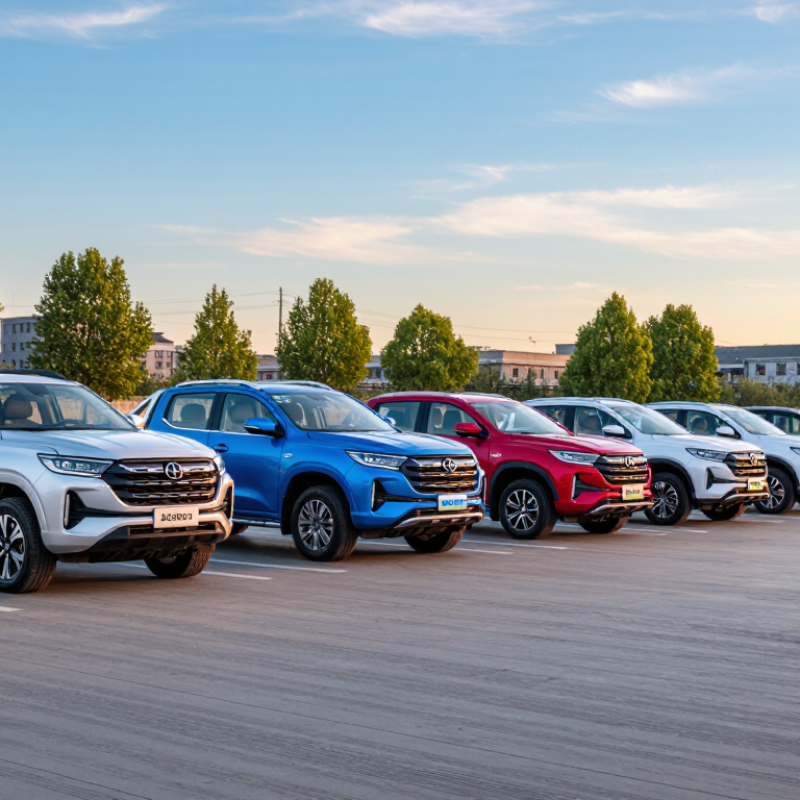
A small hybrid pickup truck combines a compact body with two power sources: an internal-combustion engine and an electric motor.
The category is not perfectly defined. In practical terms, these trucks are usually narrower and shorter than full-size pickups, making them easier to park on crowded streets.
Their beds often measure about five feet, offering room for tools, groceries, bicycles, or light building materials.
The hybrid system matters more than the badge.
A useful model should move quietly at low speeds, recover energy during braking, and support the engine during acceleration. Some systems use a small battery for assistance, while others can drive short distances on electricity alone.
Neither design is automatically better. Real performance depends on payload, weather, tire pressure, and driving habits.
A careful evaluation should include more than fuel economy figures.
Check the rated payload, towing capacity, turning circle, rear-seat space, and battery warranty.
Drive over rough pavement and test the bed with realistic cargo. A truck that feels efficient when empty may become sluggish when loaded.
This is easy to overlook.
Hybrid components can also add weight, cost, and repair complexity.
For urban owners, the benefits may be clear: smoother traffic driving, fewer fuel stops, and easier maneuvering.
For frequent heavy towing, a larger vehicle may still prove more practical.
To rank the top 10 small hybrid pickup trucks, I would use a transparent, repeatable test plan. Each vehicle must offer a compact footprint, a usable cargo bed, and a gasoline-electric powertrain. Published specifications would be checked against independent road tests, official safety data, and verified owner reports. Numbers matter, but context matters more.
The ranking would combine several weighted categories. Fuel efficiency would receive strong attention, especially in stop-and-go traffic. Payload, towing stability, bed access, cabin comfort, and turning radius would also shape the score. Safety equipment and crash-test performance would carry significant weight. Repair access, warranty coverage, and expected running costs would separate close competitors. A simple scoring sheet would reduce personal bias.
Real testing would include a cold morning start, a loaded bed, and several hours of urban driving. I would record fuel use, electric-assist behavior, braking feel, and cabin noise. The same route and load should be used for every truck. Still, the method has limits. Weather, tire pressure, traffic, and driving style can change results. A vehicle that ranks lower overall may suit a narrow driveway or a frequent towing task better. That is worth admitting. No ranking is perfectly universal.
The ten leading small hybrid pickup trucks should be judged by more than advertised fuel economy. A useful ranking weighs payload, electric-only assistance, bed utility, safety, warranty support, and real-world efficiency. The boundary is messy. Many “small” pickups are actually compact-to-midsize vehicles, while several hybrids use gasoline engines with limited battery assistance.
The U.S. Department of Energy explains that regenerative braking and automatic engine shutoff can reduce fuel use in stop-and-go driving. That matters for urban owners carrying tools, groceries, or weekend equipment. The Environmental Protection Agency also warns that official ratings may differ from daily results. Cold weather, heavy cargo, tire pressure, and towing can change consumption quickly. Buyers should compare combined ratings, not city figures alone.
Industry Data Industry data supports careful expectations. The International Energy Agency reported more than 14 million electric car sales worldwide in 2023, increasing pressure for efficient powertrains across pickup segments. S&P Global Mobility has also tracked growing consumer interest in electrified vehicles, although pickup buyers still prioritize capability. A credible top-ten list should therefore favor practical battery sizing, usable rear seating, strong payload ratings, and proven service access. Some rankings may feel incomplete because the true small-hybrid field remains narrow. That is worth admitting. Availability can change faster than long-term reliability evidence.
What Are the Top 10 Small Hybrid Pickup Trucks?
Comparing Performance, Efficiency, Utility, and Technology
The top ten small hybrid pickups should be judged beyond advertised fuel figures. During daily driving, smooth electric assistance matters more than peak horsepower. A well-calibrated system can reduce hesitation when leaving a junction or climbing a parking ramp. That feels useful.
Acceleration should remain predictable with a loaded bed. Some compact hybrids feel quick when empty but become less composed with several bags of soil onboard. Independent road testing, payload measurements, and braking checks offer more reliable evidence than showroom impressions. Towing ability also deserves caution, because maximum ratings may require specific equipment and ideal conditions.
Efficiency depends heavily on traffic, temperature, and driving habits. A hybrid pickup may save fuel in urban stop-and-go use, while highway gains can be modest. Regenerative braking should feel natural, not like an abrupt tug. Cabin technology adds value when the screen responds quickly, navigation remains clear, and physical controls support basic functions. Useful, not flashy.
Utility separates a clever truck from a compromised one. Look for a practical bed length, strong tie-down points, a low loading height, and rear seats that fit adults for short journeys. Under-bed storage can help, but it may reduce accessible space around the spare wheel or battery hardware. I would inspect those trade-offs personally before purchasing. No ranking is perfect, and real ownership may expose weaknesses that a short test drive misses.
Comparing performance, efficiency, utility, and technology through a normalized 0–100 index. Higher scores indicate stronger results within this comparison.
The efficiency score reflects combined fuel economy, the utility score combines payload and towing capability, and the technology score reflects available driver assistance, connectivity, and electrified powertrain features. Vehicle identities are anonymized for comparison.
The best small hybrid pickup depends on how you actually spend your week. A commuter may value quiet electric assistance, easy parking, and low fuel use. A homeowner may need a usable bed for timber, tools, or garden supplies. Check the payload rating carefully. Passengers, cargo, and accessories all count toward that limit. Small trucks can look capable while carrying less than expected.
For occasional towing, examine the rated capacity and available braking equipment. Do not choose a model based on appearance alone. During a test drive, I would inspect rear-seat space, bed height, turning effort, and screen visibility. A narrow bed may suit city work but frustrate users carrying wide panels. Measure your regular cargo first. It sounds obvious.
Weather also changes the decision. Hybrid systems can improve efficiency in traffic, but cold temperatures may reduce fuel savings. Wet roads, steep driveways, and uneven job sites reveal weaknesses that a showroom cannot. All-wheel drive may help in poor conditions, yet it can add weight, cost, and maintenance needs. No option is perfect.
For family use, look for strong safety ratings, comfortable rear access, and clear child-seat installation points. For work, prioritize payload, tie-down locations, washable materials, and service availability. A longer warranty may matter more than a slightly better fuel figure. Keep several thousand in reserve for tires, bed protection, and unexpected repairs. The right choice should fit your routine, not someone else’s checklist.
It combines a compact body, a gasoline engine, and an electric motor. Many beds measure about five feet. That size suits tools, groceries, bicycles, and light materials.
Its shorter body fits crowded streets and narrow parking spaces. The electric motor can smooth slow traffic movement. Fuel stops may become less frequent. That matters.
No. Some systems provide electric-only movement for short distances. Others mainly assist the engine during acceleration. Neither design is automatically better. Real use varies.
It may carry tools, groceries, bicycles, or modest building supplies. Check the official payload rating before loading heavy items. A truck can feel different with a full bed.
No. Fuel use changes with cargo, weather, tire pressure, and driving habits. Cold mornings can reduce efficiency. Towing usually increases consumption. Advertised figures are only a starting point.
Review payload, towing capacity, turning radius, rear-seat space, and bed access. Check battery coverage and expected repair costs. Drive over rough pavement. Test realistic cargo.
Use the same route, cargo weight, and driving conditions for every vehicle. Measure fuel use, braking feel, cabin noise, and electric assistance. Include safety, warranty support, and service access. Numbers can mislead.
Hybrid components may add weight, purchase cost, and repair complexity. A loaded truck may feel slower than expected. Frequent heavy towing may require a larger vehicle. No ranking is universal.
Small Hybrid Pickup Trucks combine a compact, practical body with a gasoline-electric powertrain designed to improve fuel efficiency without sacrificing everyday usefulness. This article explains what makes a pickup “small” and “hybrid,” including its size, power system, payload ability, towing potential, and urban-friendly design. It also describes how ten leading models are selected and ranked according to performance, efficiency, utility, comfort, safety, technology, reliability, and overall value.
The comparison explores how these pickups differ in acceleration, fuel economy, cargo flexibility, cabin space, towing confidence, and driver-assistance features. It also considers the needs of different buyers, such as city drivers, outdoor enthusiasts, small-business owners, and families seeking an efficient utility vehicle. By weighing strengths and limitations rather than focusing on a single category, the guide helps readers identify the Small Hybrid Pickup Trucks that best match their budget, lifestyle, driving environment, and practical expectations.
