
Dongfeng Dongfeng

Top 10 Hybrid Heavy Duty Trucks You Should Know About?

Time:2026-09-03 Author:Amelia
0%

The transportation industry is evolving rapidly, with a significant shift towards sustainability. Hybrid Heavy Duty Trucks are at the forefront of this change. According to a recent report by the American Transportation Research Institute, hybrid trucks can reduce fuel consumption by up to 30%. This statistic highlights the efficiency potential of these vehicles.

Many companies are exploring hybrid options. They seek not only cost savings but also environmental benefits. Hybrid Heavy Duty Trucks offer lower emissions and quieter operations, which can enhance urban living conditions. However, the initial costs of hybrid technology remain a concern for operators.

The market for hybrid vehicles is growing. It is projected to increase by over 25% in the next five years. Despite this, the technology is not without challenges. Factors like infrastructure and maintenance can impact efficiency. Understanding these nuances can help fleets make informed decisions in their transition to hybrid options.
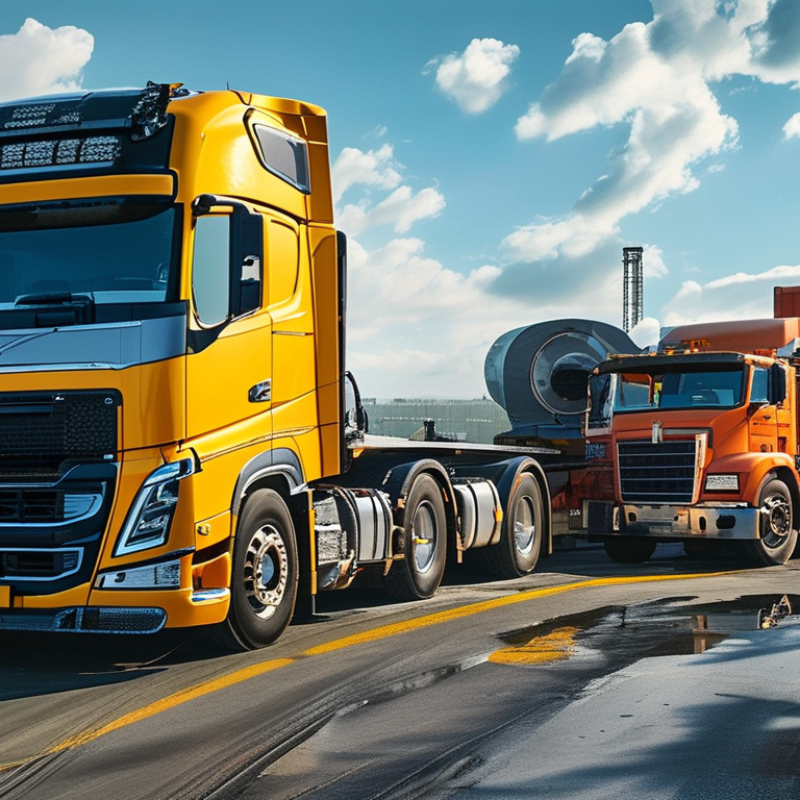
Top 10 Hybrid Heavy Duty Trucks You Should Know About?

Top Hybrid Heavy Duty Trucks: Definition and Purpose in the Industry

Hybrid heavy-duty trucks are revolutionizing the transportation industry. Their design focuses on maximizing fuel efficiency while minimizing emissions. The purpose is clear: to create a greener alternative without compromising performance. According to a recent report by the Department of Energy, hybrid trucks can reduce fuel consumption by up to 30%. This shift is critical as the industry faces increasing pressure to address climate change.

The integration of hybrid technology enhances operational efficiency. Fleet operators report lower operating costs due to reduced fuel needs. Additionally, using a hybrid system can improve driver engagement. Many drivers appreciate the quiet operation of hybrid vehicles during city driving. Nonetheless, challenges remain. Initial costs for hybrid technology can be high. Additionally, maintenance requires specialized knowledge, which may not be readily available in all regions.

The development of hybrid heavy-duty trucks also contributes to the overall strategy for sustainable growth in logistics. The increasing regulations on emissions further accelerate the need for innovation. A study by the International Council on Clean Transportation indicates that hybrid trucks contribute significantly to urban air quality improvements. However, the industry still needs to address the balance between cost and environmental impact. Adapting to these changes will require both investment and commitment from all stakeholders.

Top 10 Hybrid Heavy Duty Trucks You Should Know About

Model Engine Type Fuel Efficiency (mpg) Max Payload (lbs) Hybrid Technology
Model A Diesel Electric 12 28,000 Parallel Hybrid
Model B Gasoline Electric 10 25,000 Series Hybrid
Model C Diesel Electric 11 30,000 Plug-In Hybrid
Model D Gasoline Electric 9 27,000 Mild Hybrid
Model E Diesel Electric 12 32,000 Parallel Hybrid
Model F Gasoline Hybrid 8 26,000 Series Hybrid
Model G Diesel Electric 10 33,000 Plug-In Hybrid
Model H Gasoline Electric 9 24,000 Mild Hybrid
Model I Diesel Electric 11 35,000 Parallel Hybrid
Model J Gasoline Hybrid 8 29,000 Series Hybrid

Key Features of Hybrid Heavy Duty Trucks: Technology and Performance Insights

Hybrid heavy-duty trucks represent a significant advancement in transportation technology. These trucks combine traditional internal combustion engines with electric propulsion systems. This design enhances fuel efficiency while reducing emissions. Many models can operate on electric power alone, reducing dependence on fossil fuels. This flexibility is especially vital for urban areas with strict environmental regulations.

Key features include regenerative braking, which captures energy during braking and reuses it. This technology helps improve overall efficiency. Some hybrids offer advanced telematics systems to monitor performance and fuel consumption. Real-time data can guide drivers to operate more efficiently. While these features are impressive, the integration of hybrid systems still presents challenges, such as higher initial costs and maintenance complexities.

Performance insights reveal that hybrid trucks can deliver substantial torque and towing capacity. However, performance may vary based on the driving conditions and load. Testing in diverse environments is crucial. Drivers and fleet managers must consider their specific needs when choosing a hybrid model. It’s essential to evaluate whether the benefits outweigh the potential drawbacks. As technology evolves, these vehicles will likely become a more popular choice for heavy-duty applications.

Top 10 Hybrid Heavy Duty Trucks - Performance Insights

Environmental Impact of Hybrid Heavy Duty Trucks: Emission Reductions Data

The environmental impact of hybrid heavy-duty trucks is significant. These vehicles combine traditional engines with electric systems, leading to notable emission reductions. Studies show that hybrid trucks can reduce greenhouse gas emissions by up to 30%. This reduction contributes to cleaner air in urban areas, enhancing public health.

Fleet operators should assess their specific needs before making the switch to hybrid models. Not every operation benefits equally from these technologies. Additionally, it’s essential to consider the lifespan and reliability of hybrid systems. Maintenance might vary, potentially affecting overall cost efficiency.

The adoption of hybrid trucks is a step in the right direction for sustainability. Operators can track emissions and fuel efficiency data to gauge improvements. This data-driven approach helps in decision-making and encourages further environmental initiatives. It's crucial to remain open to new technologies, yet reflecting on practical challenges is necessary. Balancing innovation with real-world application can optimize the benefits of hybrid heavy-duty trucks.

Market Trends: Adoption Rates and Consumer Preferences in Hybrid Trucks

Hybrid heavy-duty trucks are gaining popularity due to environmental concerns and fuel savings. As the market evolves, consumer preferences are shifting toward greener options. Many buyers now prioritize sustainability in their purchasing decisions. This change reflects a wider trend toward reducing carbon footprints.

Fuel efficiency is a key factor for many truck owners. Hybrid trucks can offer better miles per gallon compared to traditional vehicles. This efficiency reduces operating costs over time. However, some consumers worry about the upfront costs of hybrid technology. It is important to weigh these costs against long-term savings. Consider your typical routes and cargo needs before making a decision.

When exploring hybrid trucks, think about your specific needs. Not all hybrid models are created equal, and performance can vary. Test-driving different options can help you find the right fit. Pay attention to how they handle different loads. Reflect on how much you drive and what type of terrain you navigate regularly. Understanding these aspects will guide your purchase.

Comparative Analysis: Leading Brands and Their Hybrid Truck Models

In the evolving landscape of heavy-duty trucks, hybrid models are gaining attention. They blend traditional power with electric efficiency. As fleets look to reduce emissions, these trucks are key players. Many leading brands provide hybrid options, each with unique features. Analyzing their offerings reveals differences in fuel efficiency and performance.

Hybrid trucks often offer better mileage. This can lead to long-term savings on fuel costs. However, initial investments tend to be higher. Drivers may face a learning curve with new technologies. Understanding the full benefits of hybrid systems is crucial.

For those considering a hybrid truck, maintenance is vital. Regular checks ensure the hybrid systems operate optimally. Some owners report complications, especially with battery replacements over time. Researching available warranties can be beneficial. It’s essential to evaluate the local service options available for these hybrid models. Each choice requires balancing performance needs and environmental impact.

FAQS

: What are hybrid heavy-duty trucks?

: Hybrid heavy-duty trucks combine traditional diesel power with electric efficiency. They aim to improve fuel economy and reduce emissions.

How do hybrid trucks impact fuel consumption?

Hybrid trucks can reduce fuel consumption by up to 30%. This leads to cost savings over time.

What are some benefits of using hybrid trucks for fleets?

Fleet operators experience lower operating costs. Drivers enjoy a quieter ride, especially in urban settings.

What challenges are associated with hybrid truck technology?

Initial costs can be high. Maintenance requires specialized knowledge, which may not be common everywhere.

How do hybrid trucks affect air quality?

Hybrid trucks help improve urban air quality. Their reduced emissions contribute positively to the environment.

Is maintenance important for hybrid trucks?

Yes, regular maintenance is crucial for optimal performance. Some report issues with battery replacements, so plan ahead.

What should owners consider about warranties for hybrid trucks?

Owners should research warranties carefully. Understanding service options in their area is essential for smooth operation.

Are hybrid trucks easy for drivers to use?

Drivers may face a learning curve with hybrid technology. Familiarizing themselves with the system is important.

How do regulations impact hybrid truck development?

Increasing emission regulations drive innovation. The industry must balance costs with the need for sustainability.

What should stakeholders do to adapt to hybrid technology?

Investment and commitment are key. Everyone must work together to address challenges and enhance performance.

Conclusion

Hybrid heavy duty trucks are gaining traction in the transportation industry due to their unique combination of technology and performance advantages. These trucks utilize advanced hybrid systems to enhance fuel efficiency and reduce emissions, thus meeting stricter environmental regulations. The key features of hybrid heavy duty trucks include innovative propulsion technologies that improve overall performance and offer enhanced operational capabilities for fleet operators.

As consumer preferences shift towards more sustainable transportation solutions, the market for hybrid heavy duty trucks is witnessing significant adoption rates. This trend is further supported by a comparative analysis of leading brands, showcasing various hybrid truck models that cater to diverse operational needs. The resulting impact is a notable reduction in environmental emissions, positioning hybrid heavy duty trucks as a viable and responsible choice for future commercial logistics.

Amelia

Amelia

Amelia is a seasoned marketing professional with a wealth of expertise in our company’s core offerings. With an unwavering passion for driving growth and innovation, she plays a pivotal role in shaping our marketing strategies and enhancing brand visibility. A key aspect of her responsibilities......