
Dongfeng
The mining industry is increasingly turning to Hybrid Mining Trucks as a sustainable solution. These trucks offer a balance between diesel and electric power, reducing emissions and fuel costs. According to a recent report by Global Mining Review, hybrid technologies can decrease fuel consumption by up to 30%. This statistic is driving interest among global buyers looking for eco-friendly options.
Hybrid Mining Trucks can improve operational efficiency. They are equipped with advanced energy management systems that optimize power usage. For instance, some models can regenerate energy during braking, enhancing their overall performance. Yet, while these trucks present clear advantages, challenges remain. Initial investment costs can be high, and maintenance requires specialized knowledge.
Despite these hurdles, the trend toward hybrid solutions is undeniable. The market for Hybrid Mining Trucks is projected to grow significantly in the coming years. As of 2023, analysts anticipate a compound annual growth rate of 7% in this sector. This growth reflects an industry's shift toward sustainable practices and innovative technology, ultimately paving the way for a greener future in mining.
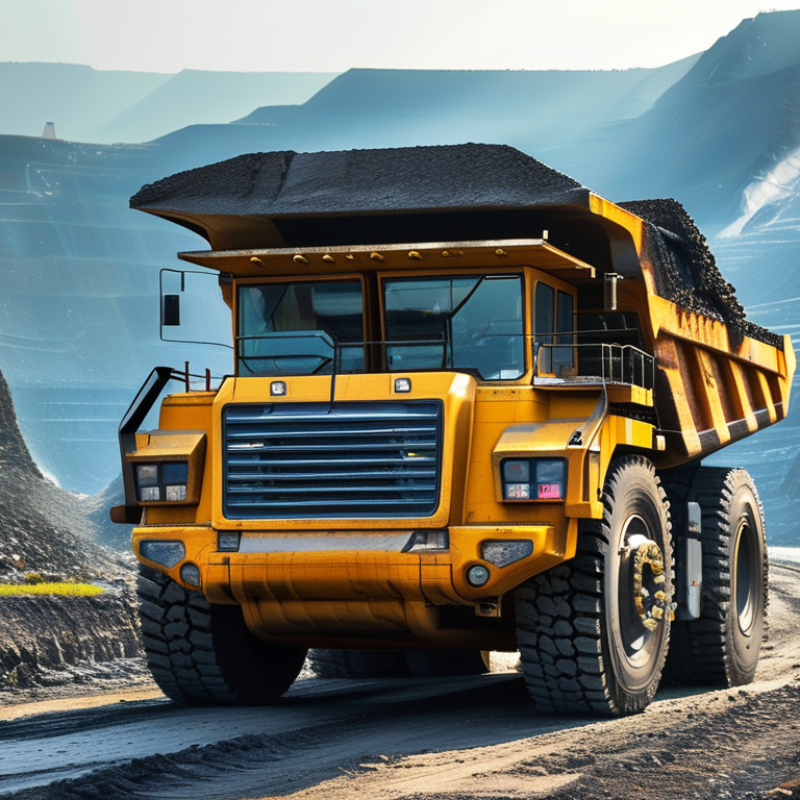
China has made significant strides in hybrid mining truck technology. Several models stand out for their efficiency and innovative features. These trucks combine traditional fuel sources with electric power, aiming to reduce emissions and operating costs. They are designed to handle heavy loads, while also being mindful of environmental impact. Each model boasts unique specifications that cater to various mining operations.
When exploring hybrid mining trucks, consider the performance metrics. Look for load capacity, fuel efficiency, and charging capabilities. It’s crucial to assess if the truck can meet your mining demands. Some models may excel in power but fall short in range. Analyze the balance between these factors for optimal productivity.
Tip: Always inspect the maintenance requirements. Regular upkeep is essential for longevity. Additionally, check the availability of spare parts and service options. This can prevent downtime in your operations. Engaging with experienced operators can provide insights into the practical performance of these vehicles in real-world scenarios.
| Model | Payload Capacity (tons) | Power Source | Fuel Efficiency (L/100km) | Hybrid Technology Type | Key Features |
|---|---|---|---|---|---|
| Model A | 60 | Diesel + Electric | 25 | Series Hybrid | Automatic transmission, regenerative braking |
| Model B | 70 | Electric + Diesel | 22 | Parallel Hybrid | Low emissions, high torque |
| Model C | 80 | Diesel + Gas | 30 | Mild Hybrid | Advanced safety systems, eco-friendly |
| Model D | 75 | Battery + Diesel | 20 | Full Hybrid | High efficiency, optimal power distribution |
| Model E | 65 | Electric + Fuel | 28 | Series Hybrid | Smart energy management system |
| Model F | 90 | Fuel Cell + Diesel | 24 | Plug-in Hybrid | Rapid refueling, zero emissions capability |
| Model G | 72 | Electric + Biodiesel | 26 | Full Hybrid | Integrative operational features |
| Model H | 85 | Hybrid Gas + Electric | 23 | Mild Hybrid | Enhanced performance under load |
| Model I | 68 | Diesel + Electric | 27 | Series Hybrid | Cost-effective maintenance, superior traction |
| Model J | 74 | Gasoline + Electric | 21 | Parallel Hybrid | User-friendly interface and controls |
China has emerged as a leader in the production of hybrid mining trucks. These vehicles combine diesel engines with electric power, enhancing efficiency and reducing emissions. The development of hybrid technology is crucial for sustainable mining operations. The key specifications of these trucks include advanced energy management systems, robust payload capacities, and durable chassis designs. Often, the trucks can operate in challenging terrains, which is a significant advantage in mining environments.
The features of these hybrid trucks include regenerative braking systems that capture energy during deceleration. This feature not only improves fuel efficiency but also extends the life of the brakes. Another critical specification is the integration of telematics, providing real-time data on performance and maintenance needs. However, some users note challenges in training personnel to fully utilize these systems. Additionally, integrating new technology requires careful planning and resources.
These trucks are designed for various applications, from underground mining to open-pit operations. Their versatility can meet diverse customer needs. However, the initial investment costs can be a hurdle for some mining companies. It's essential to weigh the long-term benefits against these upfront expenses. As the industry evolves, feedback from users will play a vital role in enhancing these hybrid vehicles.
The market for hybrid mining trucks is experiencing notable growth in 2023. According to a recent report by Market Research Future, the hybrid mining truck segment is projected to expand by 15% annually over the next five years. This growth is driven by the rising demand for sustainable mining practices. As companies seek to reduce emissions, hybrid trucks present an attractive solution.
Adoption rates are climbing, particularly in regions with stringent environmental regulations. In contrast, some traditional mining operations remain hesitant. Balancing costs with environmental responsibility is a real challenge for many operators. Furthermore, the initial investment for hybrid trucks is often viewed as a barrier, despite long-term savings on fuel and maintenance.
Tip: Consider calculating the return on investment (ROI) when exploring hybrid options. This analysis can help justify the upfront costs to stakeholders.
Industry experts emphasize the importance of proper training for operators. Transitioning to hybrid systems may require a shift in operational practices. Mishandling these new technologies can negate potential benefits. Bridging the knowledge gap is essential for maximizing efficiency.
Tip: Engage with hybrid truck manufacturers for hands-on training opportunities. This collaboration can enhance the skill set of your team, ensuring smooth integration of new equipment.
The hybrid mining truck market is evolving rapidly. A comparative analysis reveals distinct performance characteristics between Chinese and global options. Chinese hybrid trucks often focus on efficiency and cost-effectiveness. Reports indicate that they can reduce fuel consumption by up to 30% compared to traditional models. This is a significant advantage in the competitive mining industry, where margins are slim.
On the other hand, global hybrid trucks often prioritize advanced technology and performance. They may offer superior power and load capacity. A recent study suggests that these trucks typically achieve higher payload efficiency under demanding conditions. However, initial costs tend to be higher. Buyers must weigh upfront investments against long-term operational savings.
Tip: When evaluating options, assessing the total cost of ownership is crucial. Consider not only purchase price but also maintenance and fuel savings.
It's important to recognize that while Chinese trucks excel in fuel efficiency, some may lack the robustness seen in leading global brands. This could lead to durability concerns in the long run. It’s a trade-off every buyer should consider.
Tip: Always seek data from industry reports and real-world case studies to support your purchasing decisions. Verifying actual performance in real operations can reveal critical insights.
Hybrid mining technologies have emerged as a vital solution in the mining sector, offering significant environmental benefits and operational efficiencies. According to a report by the International Council on Mining and Metals (ICMM), hybrid trucks can reduce fuel consumption by up to 30%. This reduction leads to lower greenhouse gas emissions, which is crucial in addressing climate change goals.
Implementing hybrid equipment might seem straightforward. However, the initial costs and the learning curve present challenges for many companies. The reliance on technology can also lead to technical issues and maintenance complexities. Moreover, while hybrid trucks enhance efficiency, some operators may not fully exploit their capabilities, resulting in less than optimal performance.
Data from the Global Mining Industry Review indicates that hybrid trucks can achieve average noise reduction levels of 5dB(A) compared to traditional diesel trucks. This can make mining operations more sustainable, preserving local wildlife and communities. Yet, balancing technology adoption with real-world benefits remains a subject of ongoing debate within the industry.
This chart illustrates the fuel efficiency of the top 10 hybrid mining trucks in China, highlighting the environmental impact and efficiency gains associated with hybrid mining technologies.
: They combine diesel engines with electric power to enhance efficiency and reduce emissions.
Evaluate load capacity, fuel efficiency, and charging capabilities based on your mining needs.
Yes, regular upkeep is crucial for longevity. Check spare parts availability to minimize downtime.
They are designed to handle tough environments, making them suitable for various mining applications.
Training personnel to effectively use new technologies and telematics systems can be difficult.
The initial investment costs can be viewed as a barrier, despite potential long-term savings.
Calculate the return on investment (ROI) to provide a clearer picture for stakeholders.
It’s essential; proper training ensures that operators maximize efficiency and avoid mishandling technologies.
Regenerative braking systems capture energy during deceleration, improving fuel efficiency.
User feedback will significantly contribute to the ongoing development of these vehicles.
The article "China Top 10 Hybrid Mining Trucks for Global Buyers" provides a detailed overview of the leading hybrid mining trucks produced in China, highlighting the top 10 models available for global buyers. It discusses their key specifications and features that make them suitable for modern mining operations. The piece further explores the market demand and adoption rates of hybrid mining trucks in 2023, showcasing the growing trend towards more sustainable mining practices.
Additionally, a comparative analysis between Chinese and global hybrid mining trucks is presented, emphasizing performance differences and advancements. The article concludes with an examination of the environmental impact of hybrid mining technologies, demonstrating significant efficiency gains and the potential for reduced emissions. Overall, it illustrates how hybrid mining trucks are transforming the industry and meeting the demands of a greener future.