 Dongfeng
Petrol Electric Hybrid Cars offer a practical bridge between traditional driving and cleaner mobility. They combine a petrol engine with an electric motor and battery. In slow traffic, the motor can move the vehicle quietly. At higher speeds, the petrol engine provides familiar long-distance confidence. Regenerative braking then recovers energy during deceleration.
This technology matters where charging access remains limited. A driver may leave home with a full fuel tank and travel hundreds of kilometres without planning a charging stop. In urban streets, the battery can reduce engine use during frequent starts and stops. The difference may feel modest, but repeated journeys through crowded roads can make it meaningful. Toyota’s Chief Scientist, Gill Pratt, has said, “The world needs carbon-neutral vehicles, not just electric vehicles.” His comment reflects a broader engineering view: transport solutions should match real driving conditions, energy systems, and consumer needs.
Still, Petrol Electric Hybrid Cars are not perfect. They contain two power systems, which can increase mechanical complexity and servicing requirements. Their environmental benefits also depend on driving habits, fuel quality, battery production, and vehicle size. A large hybrid driven aggressively may perform worse than expected. That point deserves honesty.
The strongest choice depends on evidence, not advertising. Buyers should compare fuel consumption, warranty coverage, battery support, repair expertise, and daily mileage. A short city commute tells a different story from weekly motorway travel. Petrol Electric Hybrid Cars can reduce fuel use without demanding a complete lifestyle change. Yet they remain a compromise, not a final answer.
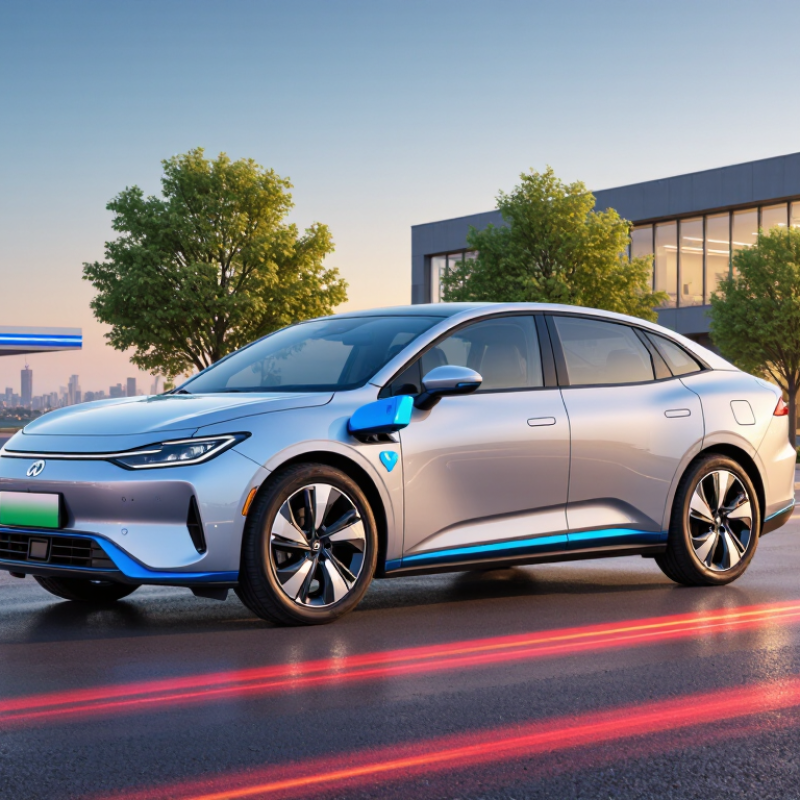
Why Choose Petrol-Electric Hybrid Cars?
How Petrol-Electric Hybrid Cars Combine Two Power Sources
A petrol-electric hybrid combines an internal-combustion engine with one or more electric motors. A traction battery stores energy recovered during braking. The motor then uses that energy during acceleration. It is a practical energy loop.
At low speeds, the electric motor can move the car quietly. The petrol engine takes over when higher power or sustained speed is needed. During braking, regenerative systems convert some kinetic energy into electricity. The U.S. Department of Energy identifies regenerative braking and reduced engine idling as key hybrid efficiency features. In daily driving, this can make stop-and-go traffic less wasteful.
The numbers still require careful reading. The International Energy Agency reported that SUVs represented nearly half of global car sales in 2023, increasing fuel demand despite efficiency improvements. A hybrid powertrain can reduce that burden, but vehicle weight and driving habits remain important. The U.S. Environmental Protection Agency reports fuel economy using controlled laboratory cycles, not every hill, winter journey, or crowded commute. Real experience may differ.
A hybrid is not automatically economical. Battery replacement costs, tyre choice, and maintenance matter. The system also carries extra hardware. That can reduce some efficiency gains on motorways. It is clever, not magical. Buyers should compare official combined fuel figures with realistic weekly routes, especially when most journeys involve cold starts, short trips, or heavy traffic.
| Data Dimension | Conventional Petrol Car | Mild Hybrid | Full Hybrid | Plug-in Hybrid |
|---|---|---|---|---|
| Main Power Sources | Petrol engine only | Petrol engine supported by a small electric motor-generator | Petrol engine and electric motor that can propel the vehicle separately or together | Petrol engine, electric motor, and a larger rechargeable battery |
| Typical Battery Capacity | 12-24 volt starter battery; normally below 1 kWh | Approximately 0.5-1.5 kWh | Approximately 1-3 kWh | Approximately 8-25 kWh |
| External Charging Required | No | No | No; the battery is charged by regenerative braking and the engine | Yes, to make full use of the electric-driving capability; it can also recharge while driving |
| Regenerative Braking | Limited energy recovery through conventional braking components | Yes; the motor-generator recovers energy during deceleration | Yes; recovered energy is stored in the hybrid battery | Yes; the larger battery can store more recovered braking energy |
| Electric-Only Driving | Not available | Usually unavailable for sustained driving; the motor mainly assists the engine | Available for short distances and at low to moderate speeds, depending on conditions | Available for much longer distances, commonly about 30-100 km on a full charge under real-world conditions |
| Typical Fuel-Use Reduction | Baseline for comparison | Approximately 5-15% versus a similar petrol-only vehicle | Approximately 15-35% versus a similar petrol-only vehicle | Approximately 30-70% when regularly charged and used for short daily journeys |
| Best Operating Conditions | Simple driving requirements and regular longer journeys | Mixed driving where smoother acceleration and stop-start assistance are useful | Urban, suburban, and mixed driving with frequent braking and acceleration | Daily journeys that fit within the electric range and provide access to regular charging |
| Long-Distance Capability | Uses the petrol engine throughout the journey | Uses the petrol engine with electric assistance; refueling is similar to a petrol car | Uses the petrol engine when the battery has limited charge; no charging stop is normally required | Can operate like a conventional hybrid after the usable electric charge is depleted |
| Fuel Efficiency Advantage in Traffic | Lower, because idling and repeated acceleration consume fuel | Moderate, because the engine can stop during some stationary periods | High, because the electric motor can assist or move the car at low speeds | Very high when the battery is charged and urban trips are completed electrically |
| Driving Experience | Power comes directly from the petrol engine and transmission | Smoother engine stop-start operation and additional low-speed torque | Quiet electric launches, smooth transitions, and immediate motor assistance | Quiet electric driving for many local trips, with petrol power available for longer journeys |
| Key Benefit | Simple ownership and no high-voltage hybrid system | Improved efficiency with a relatively small increase in system complexity | Strong balance between fuel saving, convenience, and no need for external charging | Maximum potential for reducing petrol use when charging is consistent |
| Main Limitation | Higher fuel consumption in stop-start traffic compared with hybrid systems | Limited electric-only capability | Usually cannot travel long distances on electric power alone | Higher vehicle weight, greater purchase complexity, and dependence on charging habits |
Note: Figures are typical industry ranges for comparable passenger cars. Actual performance, electric range, fuel consumption, and emissions vary with vehicle size, battery charge, temperature, road conditions, driving style, and load.
It combines a petrol engine, an electric motor, and a traction battery. The motor assists acceleration and low-speed driving. The engine provides stronger, sustained power. It is a practical energy loop.
During braking, the motor captures some of the car’s movement energy. That energy becomes electricity and returns to the battery. Less energy becomes wasted heat at the wheels. Small changes matter.
Frequent braking creates more chances to recover energy. The engine may switch off at traffic lights. Electric power can handle quiet, low-speed movement. Stop-and-go roads often suit hybrids well.
Some hybrids use about 20–35% less fuel than comparable petrol cars. Actual savings depend on traffic, weather, speed, and driving style. Heavy loads can reduce the benefit. The estimate may disappoint.
No. Battery replacement, servicing, tyres, and purchase price affect total costs. Extra hardware can also reduce efficiency on long motorways. Fuel savings may not repay the higher price quickly.
Official figures come from controlled testing conditions. They may not reflect hills, winter starts, air-conditioning, or crowded roads. Record fuel use for four weeks. Real routes matter more.
Drivers facing traffic lights, crowded streets, and frequent stops may gain the most. Regular urban trips allow more regenerative braking. A quiet ten-minute commute can suit hybrid technology.
It can work well, but highway savings may be smaller. Steady high-speed travel gives the electric system fewer recovery opportunities. Compare independent real-world figures before deciding. Sometimes, simpler fits better.
Petrol Electric Hybrid Cars combine a conventional petrol engine with one or more electric motors and a rechargeable battery. These two power sources work together to deliver smoother performance and better energy use. During low-speed driving, the electric motor can provide assistance or handle short journeys, while the petrol engine supports longer trips and higher-speed travel. Regenerative braking also captures energy that would otherwise be lost and stores it in the battery. As a result, hybrids can reduce fuel consumption, lower emissions, and offer quieter operation in many driving situations.
Choosing a hybrid may provide practical benefits such as fewer visits to the fuel station, improved efficiency in urban traffic, and a reduced environmental impact. However, buyers should consider the higher purchase price, battery-related costs, limited electric-only range, and possible differences in maintenance requirements. A hybrid is most suitable for drivers who frequently experience stop-and-go traffic or want improved efficiency without relying entirely on charging infrastructure. Those who mainly drive long highway distances or have limited access to suitable service facilities should carefully compare their needs before deciding.
