 Dongfeng
Dongfeng
Dongfeng
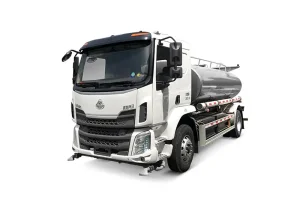
Engineered specifically for heavy duty sanitation, liquid cargo transportation, and construction across Malabo and Bata.
Equatorial Guinea exhibits a unique logistical footprint in the CEMAC region, split geographically between the insular region of Bioko Island (Malabo) and the continental territory of Río Muni (Bata). As one of Sub-Saharan Africa's primary hydrocarbon centers, local industrial demands are concentrated around oil/gas processing plants, forestry/timber transport corridors, and aggressive national urban modernization programs.
Deploying specialized trucks in these conditions demands unique engineering safeguards. High ambient humidity, extreme coastal salinity, and seasonal equatorial rainfall create a severe risk of early mechanical wear and chassis corrosion. Operators require heavy duty vehicles designed not just for high load capacity, but for sustained structural integrity in corrosive offshore gas terminals and unpaved inland logging trails.
With major ongoing developments, including the expansion of Port Bata, deep-water port terminals in Malabo, and the transport arteries connecting Oyala (Ciudad de la Paz) to the coastal hubs, high-grade transportation assets have transitioned from optional machinery to vital components of regional supply-chain continuity.
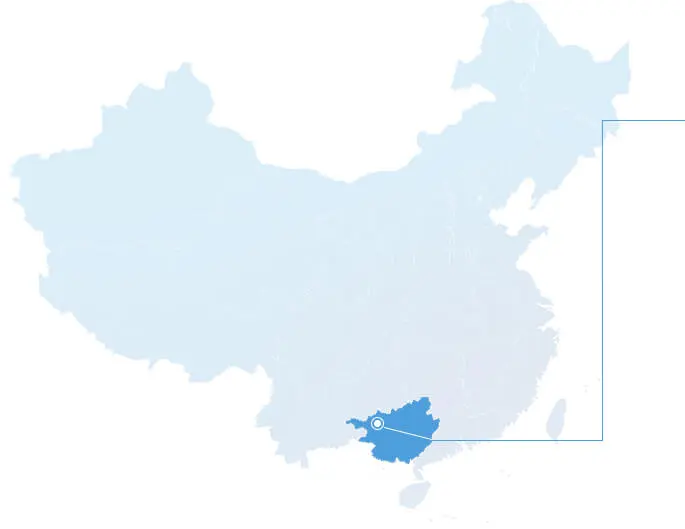
Industrial capability supporting bulk deployment and custom vehicle manufacturing for African operations.
The operational framework of special trucks operating within Equatorial Guinea dictates a technological pivot away from standard European/Asian highway configurations. In response to extreme weather trends and local infrastructure parameters, our vehicle engineering roadmap has prioritized structural reinforcement, engine thermal optimization, and sustainable propulsion alternatives.
Proximity to the Gulf of Guinea subjects heavy machinery to relentless salt-spray exposure. Standard steel truck chassis degrade prematurely under these conditions. To counter this, our heavy vehicle configurations utilize electrophoretic painting processes (e-coating) combined with hot-dip galvanized steel plates for structural frames and structural cabins. This multi-layered defense barrier offers corrosion resistance tested up to 1,000 hours of continuous salt-spray exposure, ensuring long operational life at the Bata and Malabo ports.
Equatorial climates maintain persistently high heat and humidity levels. Standard cooling setups often experience thermal issues when hauling heavy loads uphill in Río Muni. Our special utility vehicles feature expanded radiator areas, high-capacity viscous clutch fan systems, and specialized engine oil cooling circuits that ensure normal thermal cycles even when operating under full load at ambient temperatures above 40°C.
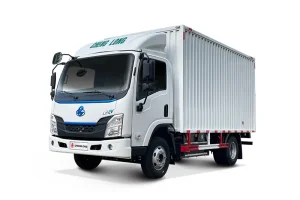
In accordance with global decarbonization initiatives and Equatorial Guinea's national green objectives, we are introducing electric solutions into municipal logistics. In urban Malabo, for example, short-haul, high-frequency logistics routes are well-suited for vehicles like the L2EV Light Electric Truck and the 6x4 H7 Electric Heavy Truck. These models lower operational costs by replacing expensive imported diesel with locally generated grid energy, reducing urban emissions in metropolitan centers.
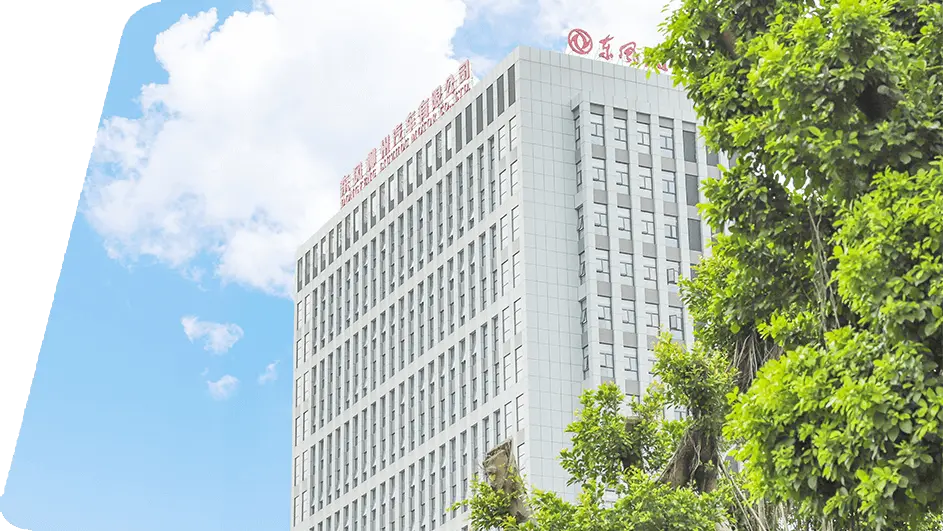
Dongfeng Liuzhou Motor Co., Ltd., as one of the national large-scale enterprises, is a joint-stock automobile company established by Liuzhou Industrial Holdings Corporation and Dongfeng Motor Corporation. Spanning an extensive footprint of 2.13 million square meters, the company has established two major vehicle brands: "Dongfeng Chenglong" for heavy/medium commercial vehicles, and "Dongfeng Forthing" for passenger vehicles, employing over 7,000 workers.
Our sales and maintenance network covers the globe, with vehicles successfully exported to more than 170 countries across Asia, the Middle East, South America, Africa, and Europe. As we build out our international distribution and support channels, we welcome global buyers, developers, and public sector organizations to partner with us for heavy transport solutions.
Get Technical CataloguesStandard, off-the-shelf commercial trucks often struggle under the demanding operational conditions of Central Africa. We design comprehensive, application-specific transport systems developed around the exact workloads of local commercial enterprises.
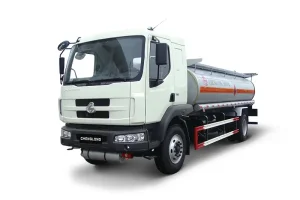
Our fuel transport units, such as the Titan M3 Tanker, are engineered with high-strength steel tanks, explosion-proof discharge valves, and pneumatic emergency shutoff systems. These specifications conform directly to offshore gas terminal loading requirements in Malabo and Luba.
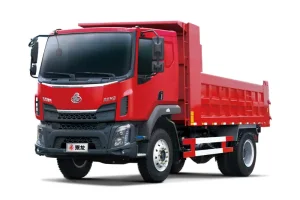
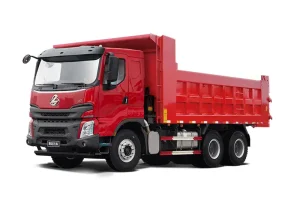
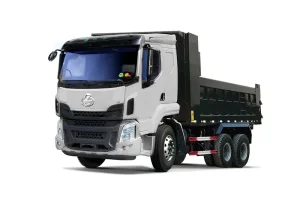
Moving dense logs and raw minerals out of the Río Muni interior requires durable drivetrains. Our 6x4 H7 and H5 Dump Trucks feature reinforced double-reduction drive axles, high-tensile steel cargo boxes, and high-clearance frame layouts to handle unpaved, rutted forest trails.
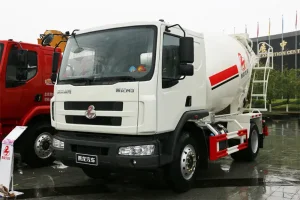
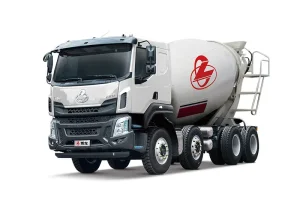
Urban road building demands reliable material delivery. The Mighty Mixer M3 and H5 Mixer trucks feature high-performance hydraulic systems that prevent concrete from setting prematurely during transport under hot, humid equatorial conditions.
DFLZM is based in Liuzhou, the largest industrial center in Guangxi Province and the only Chinese city housing assembly bases for China's four major domestic automotive groups. This concentration provides a robust local supplier network and manufacturing base.
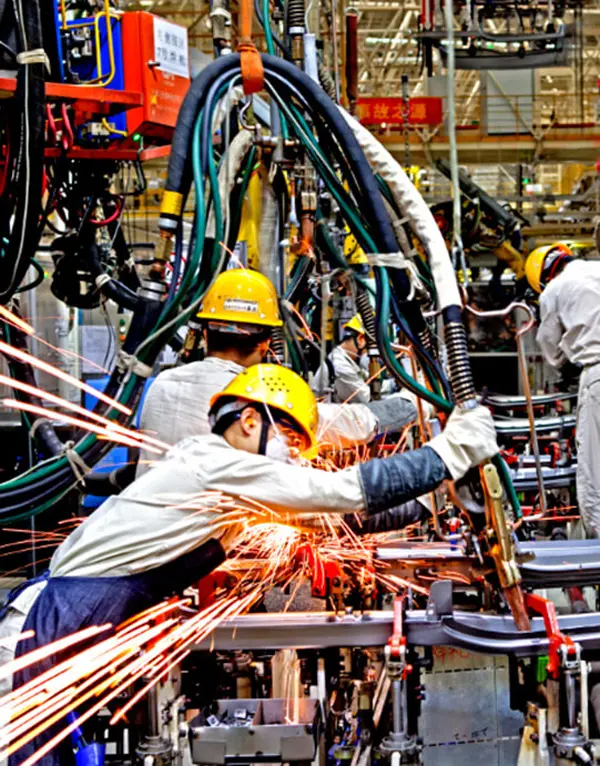
Three core pillars supporting our engineering quality, vehicle durability, and custom design capabilities.
Equipped to manage complete, end-to-end design and styling development for up to 4 major vehicle platforms concurrently, ensuring aerodynamic efficiency and ergonomics.
Featuring 7 specialized testing laboratories covering 86.75% of all required vehicle-level fatigue, structural strength, and environmental simulation tests.
Supported by 5 national and provincial-level R&D centers, managing numerous automotive patents and helping establish national manufacturing standards.
Our manufacturing processes feature stamping, automated welding, eco-friendly painting, and final assembly lines. We also offer knocked-down (KD) packaging options—specifically SKD and CKD configuration schemes—designed for efficient shipment, regional assembly, and customs compliance in African markets.
Request KD Program DetailsNavigating the importing process, customs requirements, and regional standards in Central Africa requires structured logistical planning. Vehicles exported to Equatorial Guinea must meet the harmonized standards of the Central African Economic and Monetary Community (CEMAC) and pass mandatory pre-shipment inspections (such as SGS or Bureau Veritas testing) to verify roadworthiness, load capacities, and emissions compliance.
Our international service teams provide end-to-end support throughout this process. We coordinate directly with local clearance agents in Port Bata and Port Malabo, handling technical paperwork, Certificate of Conformity (CoC) documents, and tariff classification to streamline customs clearance.
Beyond vehicle delivery, we help operators maximize fleet uptime. We work with regional partners to establish spare parts warehouses containing critical items like oil filters, air elements, brake linings, drive belts, and hydraulic components, ensuring rapid maintenance turnaround. Local mechanics also receive comprehensive training on engine diagnostics, common-rail fuel systems, and electrical maintenance, helping operators maximize their long-term return on investment.
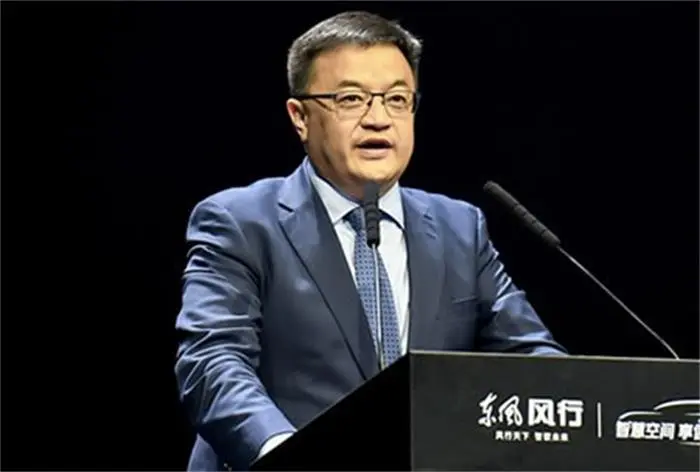
Strategic outlook from our executive team on international expansion, sustainable product technology, and regional growth.
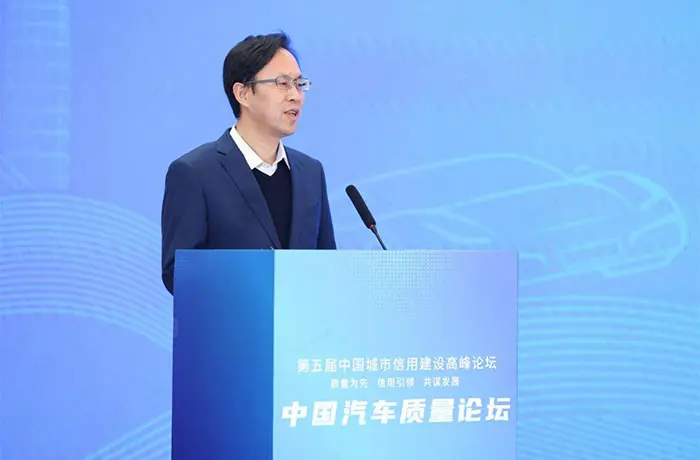
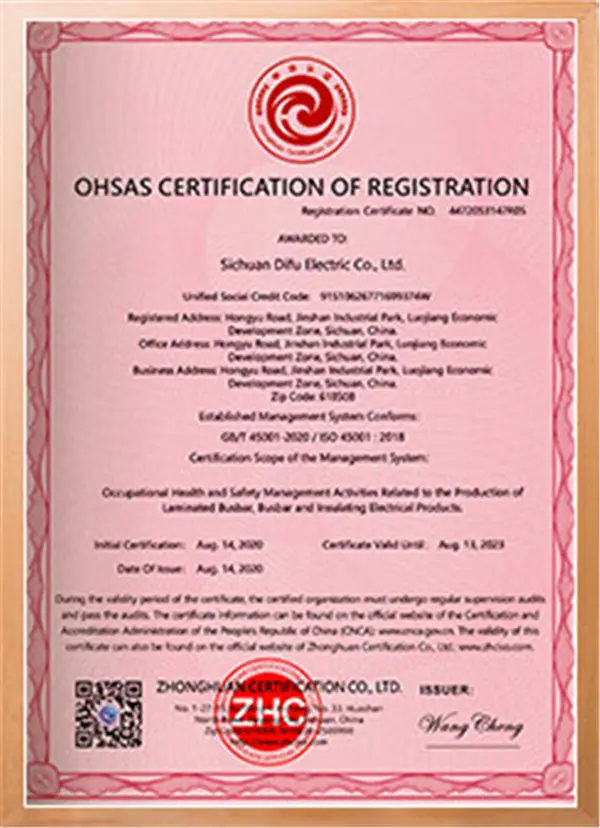
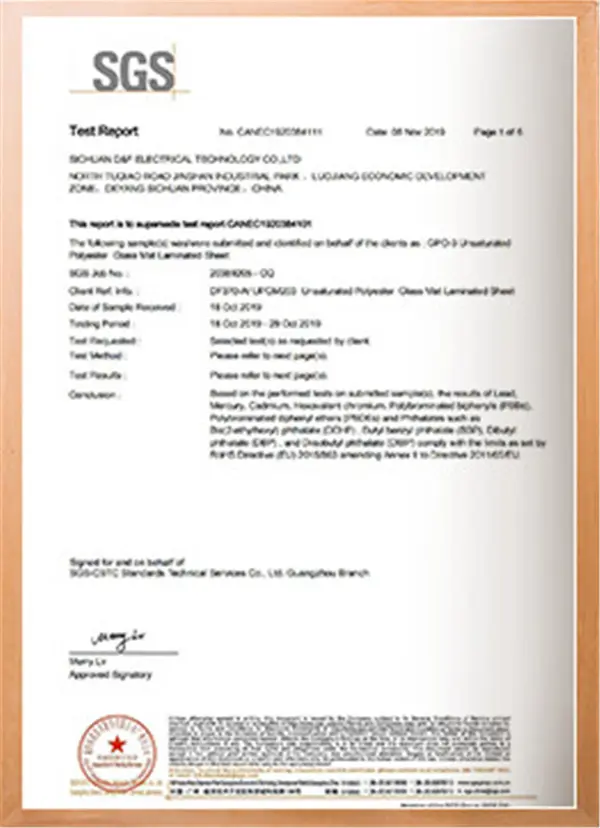
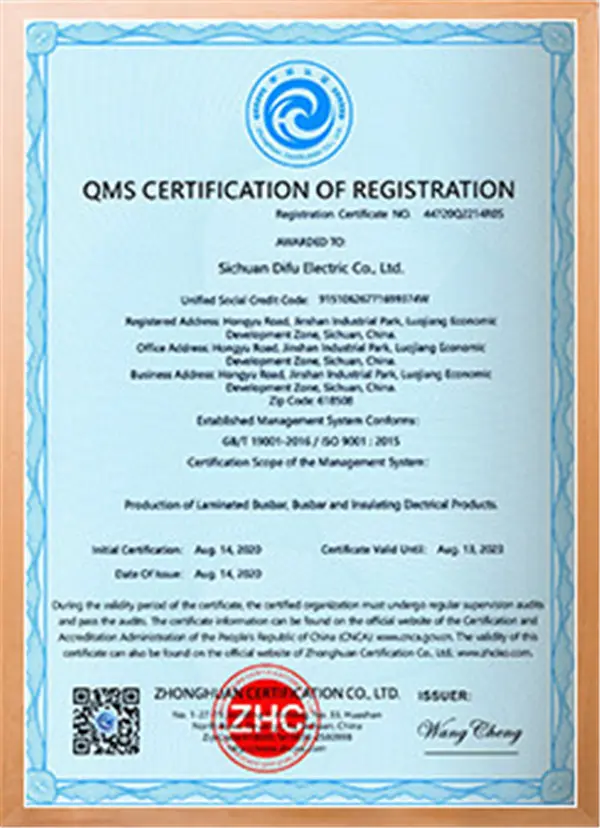
Meeting international automotive, emissions, and safety certifications to ensure global compliance.
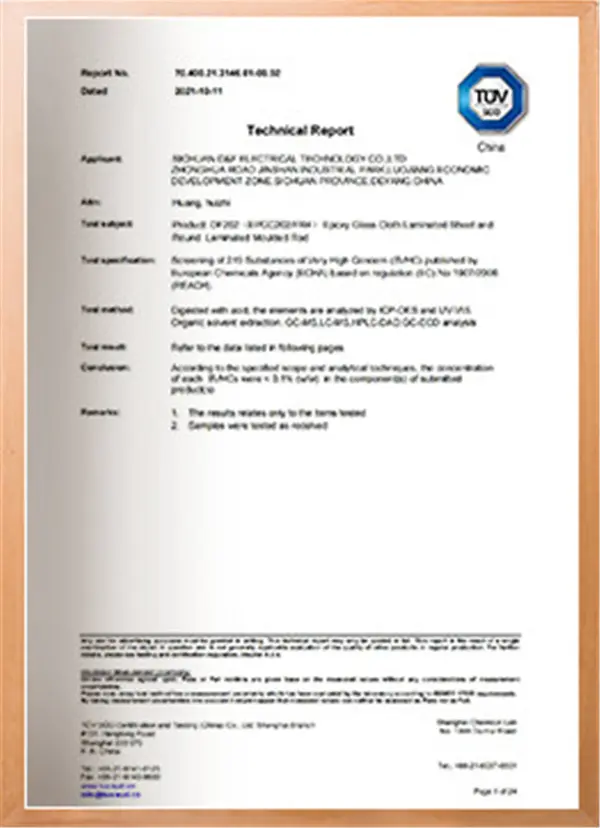
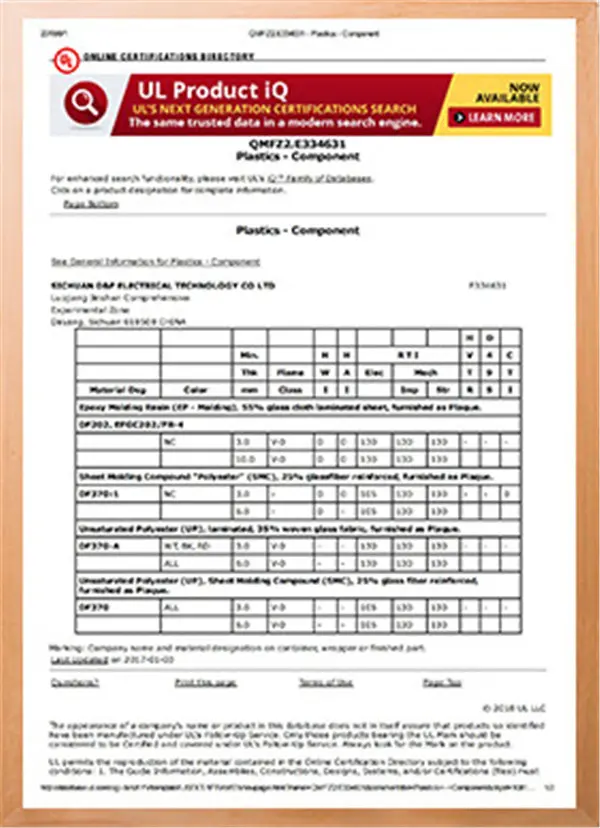
The global heavy equipment market requires a balance of manufacturing speed, quality control, and cost efficiency. Our Liuzhou production facilities leverage advanced smart factory systems, automated robotic welding, and automated component tracking to ensure high precision across our assembly lines.
Automated assembly machinery ensures consistent weld strength and precise frame dimensions. Laser measurement systems inspect chassis alignment, while computerized diagnostic testing verifies engine and transmission calibration before the vehicles leave the factory, minimizing early component failures under demanding fieldwork conditions.
Our direct access to major domestic steel plants and component manufacturers helps protect production schedules from global logistics disruptions. This integrated supply chain allows us to maintain stable production and delivery timelines for fleet buyers, even during periods of high market demand.
Our flexible assembly methods allow us to customize vehicles for regional requirements, such as adjusting cooling capacities, suspension setups, or air filtration systems for tropical conditions. Additionally, our semi-knocked-down (SKD) and completely knocked-down (CKD) export options help reduce shipping volumes and lower import duties, allowing local distributors to optimize their acquisition costs.
Answers to key operational, compliance, and shipping questions for logistics managers and fleet operators.
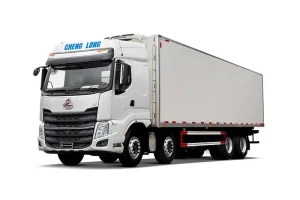
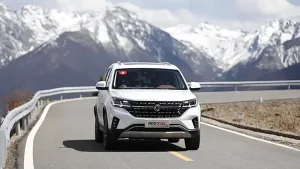
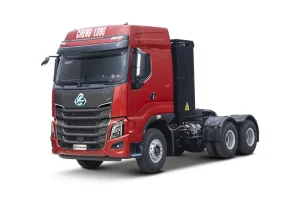
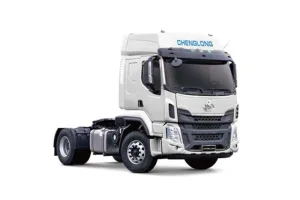
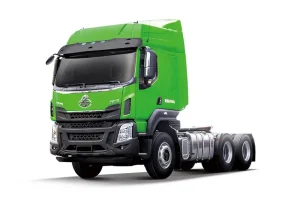
Extended configurations including refrigerated shipping, multi-passenger transit, and heavy duty tractive units for construction and cargo operations.